
 EN
EN
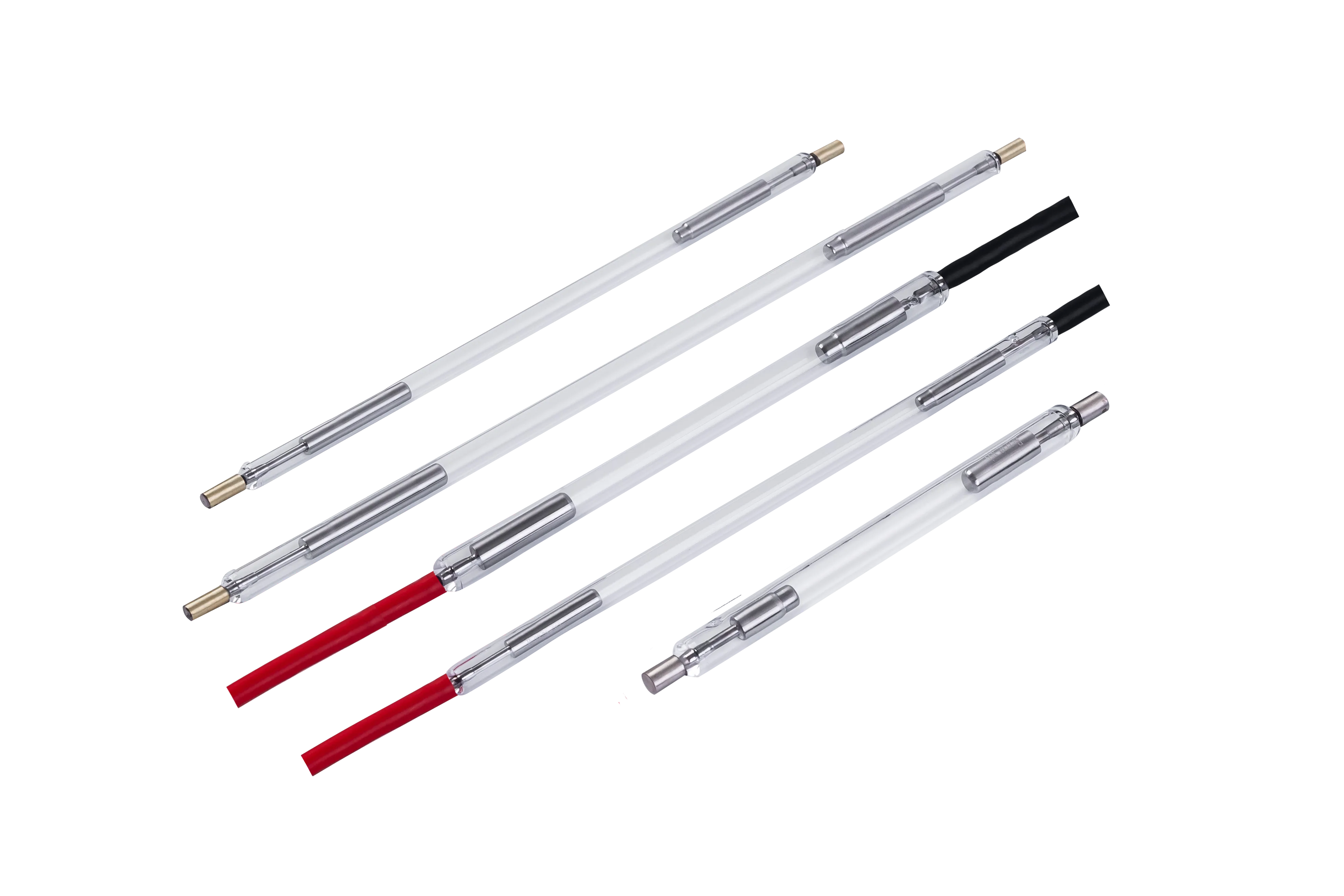
Hazırkı saça çıxarma sistemlərinin səmərəliliyi və effektivliyi əsas işıq mənbəyinə bağlıdır. Lazer və IPL iki fərqli texnologiya olsalar da, hər ikisi müalicəvi işığı yaratmaq üçün irəli səviyyəli flaş lampası texnologiyasından istifadə edirlər. IPL avadanlıqlarında flaş lampası birbaşa işıq mənbəyidir, o halda çoxlu lazer sistemlərdə isə yüksək güclü nasos lazer kristalını qızdırır. Buna görə də uyğun lampanın seçimi kliniki nəticələrə birbaşa təsir göstərən vacib bir mühəndislik qərarıdır. Lumi Photoelectric Technology Co., Ltd. şirkətində biz hər bir tətbiqin dəqiq tələblərini nəzərə alaraq lazer pompalaması üçün xüsusi Lazer Ksenon Lampaları və yüksək performanslı IPL Lampaları təklif edirik.
Strategiya: Dalğa uzunluğu, Güc çıxışı və Qövs növü.
Saça çıxarma tətbiqlərində istifadə olunacaq lampanın uyğunluğunu müəyyən edən üç əsas parametr vardır:
Dalğa uzunluğu: IPL lampaları ilə geniş spektr seçimi melaninə ən yaxşı udulma üçün uyğun diapazonları (məsələn, 550–1200 nm arası) izolyasiya etməyə yönəldilir. Laser xeni qaz lampaları nasos mənbəyi kimi istifadə olunduqda, spektr ayrı-ayrı laser kristallarının (məsələn, Nd:YAG) udulma zirvəsinə uyğun olmalıdır ki, enerjinin səmərəli ötürülməsi təmin olunsun.
Güc çıxışı: Lampanın hər bir impulsda yetərli zirvə gücü və enerji miqdarı təmin etməsi lazımdır. Güc sıxlığı IPL sistemlərində follikulların effektiv məhv edilməsində çox vacibdir və yüksək səmərəli işləyən laserlərin işə salınması üçün çox yüksək qazanc tələb olunur.
Qövs növü: Qısa qövs lampaları IPL əksedici elementləri və laser rezonatorlarında optik kuplanmanı optimallaşdırmaq üçün ideal olan, yoğunlaşmış, nöqtəvi plazma yaradır. Bu dizayn, birbaşa emissiya zamanı və ya laser çubuğunu nasoslama zamanı mümkün qədər çox işıq toplamağı və istifadə etməyi təmin edir.
Lampa xüsusiyyətlərinin cihaz funksiyası ilə əlaqələndirilməsi.
Bir ölçüsü hamısına uyğundur prinsipi işləməyən bir strategiyadır. Lampu cihazın nə məqsədlə yaradıldığına uyğun olaraq diqqətlə seçilməlidir:
Yüksək sürətli IPL cihazları: Davamlı istifadə zamanı sabit çıxış əldə etmək üçün yüksək işıq sıxlığı və güclü termal idarəetmə tələb edir.
Uzun impulslu lazer sistemləri: Qaranlıq dəri ilə təhlükəsiz müalicə aparmaq üçün lazer çıxışını sabit saxlamaq üçün uzun müddət ərzində (yəni bir neçə yüzlərlə millisaniyə) yüksək impuls sabitliyinə malik lampalar tələb edir.
Çoxfunksiyalı platformalar: Müxtəlif müalicə rejimlərini itki olmadan təmin edə bilən, sabit və geniş spektrli (IPL halında) və ya lazerlərdə pompa qabiliyyəti baxımından effektiv olan çevik lampalar tələb olunur.
Təhlükəsizliyin və gözləmə otağındakı sabit nəticələrin təmin edilməsi.
Xəstələrin təhlükəsizliyi və proqnozlaşdırıla bilən nəticələr heç bir ödəniş deyil. Doğru lampu hər iki amilə birbaşa töhfədir:
Növbəti impulsdan-növbəti impulsa qədər sabitlik: Yaxşı lampada hər bir işıq çıxışı eyni miqdarda enerjiyə malik olur. Bu bərabərlik təhlükəsiz müalicə prosedurunun əsasını təşkil edir və ya kifayət qədər müalicə olunmama, ya da yanğın və piqmentasiya problemlərinə səbəb ola biləcək istənməyən artıq işıqlandırma hallarını aradan qaldırır.
Spektral sabitlik: IPL halında tələblərdən biri spektrin sabitliyidir, çünki süzülmüş işıq həmişə eyni bioloji təsirə malik olmalıdır. Laserin pompalanması halında bu, laserlərin sabit çıxış parametrlərini təmin edir.
Uzunmüddətli etibarlılıq: Lampanın ömrü boyu göstərilən çıxış gücünü saxlaması, gün ərzində ilk ölçməni, günün sonuncu ölçməsini və lampanın dəyişdirilməsindən əvvəlki son müalicəni eyni etibarlılıq faktoru ilə təmin edir.
Peşəkar laser lampaları üçün OEM və fərdiləşdirilmiş laser lampaları.
Cihaz istehsalçıları üçün hazır lampalar tez-tez dizaynı zəiflədir. Lumi, performansı optimallaşdırmaq üçün OEM və fərdiləşdirilmiş həllər təqdim edir:
Spektral Nəzərdən Keçirmə: Müəyyən spektral sahələrin maksimuma çatdırılması üçün qaz doldurulması və təzyiqin tənzimlənməsi ilə daha yaxşı IPL süzgəci və ya laser kristalının udulması əldə edilir.
Mexaniki Fərdiləşdirmə: Xüsusi optik montajlar və istilik idarəetməsi üçün uyğun olan xüsusi yay uzunluqları, lampanın diametri və elektrod dizaynları üzrə lampaların hazırlanması.
Elektrik Optimallaşdırılması: Lampaların sizin sürücü sxeminizin elektrik şəraitində maksimum səmərə və ömrə malik olmaları üçün dizaynı.
Nümunələr: Klinikalarda mümkündür Laser Lampası Tətbiqi.
Vəziyyət tədqiqi 1: Yüksək sürətli IPL sistemi istifadəsi ilə klinikanın buraxılışını artırma. Medspalardan biri köhnəlmiş bir IPL sistemi ilə sessiyalar zamanı çoxlu vaxt itirirdi. Onlar, yüksək enerji səviyyəsində daimi çıxış və yüksək təkrarlanma tezliyi əldə etmək üçün Lumi IPL lampası əsasında hazırlanmış bir sistemə keçdilər. Bu, onların orta müalicə müddətlərini 30%-dən çox azaltmasına imkan verdi; yəni effektivliyi pozmadan gündə daha çox sayda müştəriyə xidmət göstərə bilərdilər.
Vəziyyət tədqiqatı 2: Laserlə Saçın Silinməsi Praktikasının Təhlükəsizliyinin Yaxşılaşdırılması. Fitzpatrick IV–VI tipi qaranlıq dəri ilə bağlı terapiyaya diqqət yetirən bir dermatoloji klinika çox etibarlı uzun impulslu Nd:YAG laser sistemindən istifadə etmək məcburiyyətində qaldı. Onlar seçdikləri laser sistemi — Lumi Laser Ksenon Lamp idi, bu sistem impulsun üstün sabitliyi ilə xarakterizə olunurdu. Bu sabitlik praktiki həkimlərə təhlükəsiz müalicəni etibarla həyata keçirmək üçün lazım olan uzun impulslu müddətlərdə qaranlıq dəri üzərində işləməyə imkan verdi; nəticədə yüksək silinmə səviyyələri və heç bir qeyri-adi hadisə baş vermədi, bu da onların təhlükəsizlik sahəsindəki nüfuzunu möhkəmləndirdi.
Nəhayət, "lazer lampası"nın görünüşü də çox vacibdir və onun seçimi avadanlıq özü qədər sərt olmalıdır. Əhəmiyyətli texniki nəzərdə tutulmalarına diqqət yetirilərək cihazın funksionallığına ideal uyğunluq təmin etmək, müəyyən OEM həllərinin birləşməsini yaratmaq mümkündür; beləliklə, istehsalçılar daha yaxşı işləyən bir sistem yarada bilər və klinikalar xidmətlərində daha təhlükəsiz, sürətli və effektiv saç çıxarma prosedurlarından faydalanacaqlar.
Mündəricat
- Strategiya: Dalğa uzunluğu, Güc çıxışı və Qövs növü.
- Lampa xüsusiyyətlərinin cihaz funksiyası ilə əlaqələndirilməsi.
- Təhlükəsizliyin və gözləmə otağındakı sabit nəticələrin təmin edilməsi.
- Peşəkar laser lampaları üçün OEM və fərdiləşdirilmiş laser lampaları.
- Nümunələr: Klinikalarda mümkündür Laser Lampası Tətbiqi.