Երբ գեղեցկության տեխնոլոգիան ու նյութերի գիտությունը ավելի ու ավելի են հարթվում, քսենոնային արևի սիմուլյատորի լամպերը դառնում են անհրաժեշտ գործիքներ այն արդյունաբերությունների համար, որոնք կախված են ճշգրիտ սպեկտրային վերարտադրությունից: 2025 թվականին լաբորատորիաները և կոսմետիկայի հետազոտությունների կենտրոնները զեկուցել են քսենոնային արևի սիմուլյացիայի համակարգերի աճող պահանջարկի մասին՝ պայմանավորված ճշգրիտ մաշվածության փորձարկումների, ֆոտոավարտակման ուսումնասիրությունների և գույնի կայունության գնահատականների անհրաժեշտությամբ:
Սովորական լուսավորության աղբյուրներից հակառակ, քսենոնային արևի սիմուլյատորի լամպերը արտանետում են անընդհատ սպեկտր, որը մոտ է բնական արևի լույսին՝ ներառյալ ՈՒՖ, տեսանելի և մոտակա ինֆրակարմիր ալիքները: Սա հնարավորություն է տալիս հետազոտողներին վերարտադրել իրական աշխարհի շրջակա միջավայրի ազդեցությունը վերահսկվող լաբորատոր պայմաններում: Գեղեցկության ապրանքանիշերի համար այս հնարավորությունը դարձել է կարևոր ապրանքների արդյունավետությունը գնահատելու համար՝ հատկապես արևի ֆիլտրների արդյունավետությունը, մակիաժի բաղադրություններում ներկերի կայունությունը և մաշկի խնամքի ակտիվ բաղադրիչների երկարաժամկետ վարքը ՈՒՖ ճնշման տակ:
Ըստ Միջազգային լուսակենսաբանական հետազոտությունների խորհրդի (IPRC), Ասիայում և Եվրոպայում նոր ստեղծված կոսմետիկ լաբորատորիաների 60 տոկոսից ավելին այժմ կստիճանավարար սարքավորումների շարքում օգտագործում են քսենոնային արևի սիմուլյացիոն սարքեր։ Արագացված մաշվածության փորձարկումներ իրականացնելու կարողությունը զգալիորեն կրճատել է արտադրանքի մշակման ցիկլերը՝ թույլ տալով ընկերություններին կանխատեսել, թե ինչպես կպահպանվի բաղադրությունը վեց ամսվա կամ նույնիսկ երկու տարվա ընթացքում՝ սեղմված ժամանակահանդերձում:
Կոսմետիկայից դուրս, նյութերի ինժեներական թիմերը շարունակում են հիմնվել քսենոնային արևի լամպերի վրա՝ ավտոմեքենաների ծածկույթները, ճարտարապետական թաղանթները և արեգակնային սարքերի բաղադրիչները փորձարկելու համար։ Լամպերի լայնաշառավղային արտադրողականությունը օգնում է որոշել, թե արդյոք նյութը կթուլանա, կդեղնի, կճեղքվի կամ կկորցնի կառուցվածքային ամբողջականությունը երկարատև ՈՒՖ ճառագայթման ազդեցությամբ։ Ինժեներները շեշտում են, որ քսենոնային սպեկտրի ճշգրտությունը կարևոր է. փոքր շեղումները կարող են հանգեցնել անճշգրիտ արդյունքների և արժեքավոր ապարդյուն անհաջողությունների:
Արտադրողները մեծ ներդրումներ են կատարել լամպերի կայունությունը բարելավելու, էլեկտրոդների կյանքը երկարաձգելու և հարյուրավոր ժամեր շարունակական սիմուլյացիան ապահովող սառեցման համակարգերը բարելավելու ուղղությամբ: Այս բարելավումները խթանել են փոքր սեղանի արևի սիմուլյատորների ընդունումը սկսնակ լաբորատորիաներում՝ միաժամանակ թույլ տալով արդյունաբերական սարքավորումներում մեծ չափի ավելի հուսալի և տնտեսապես շահավետ ավտատիկ խցերի շահագործում:
Շրջակա միջավայրի կայունությունը կարևոր դեր ունենալով տարբեր ոլորտներում՝ կոսմետիկայից մինչև վերականգնվող էներգետիկա, քսենոնային արևի սիմուլյատորների լամպերը դարձել են աճող համաշխարհային շուկայի կենտրոնում: Իրական արևի պայմանները վերարտադրելու և վերահսկվող գիտական փորձարկումներ իրականացնելու դերը դարձնում է դրանք անփոխարինելի միջոց նորարարությունների, անվտանգության և արդյունավետության բարձր մակարդակի ձգտող ընկերությունների համար: 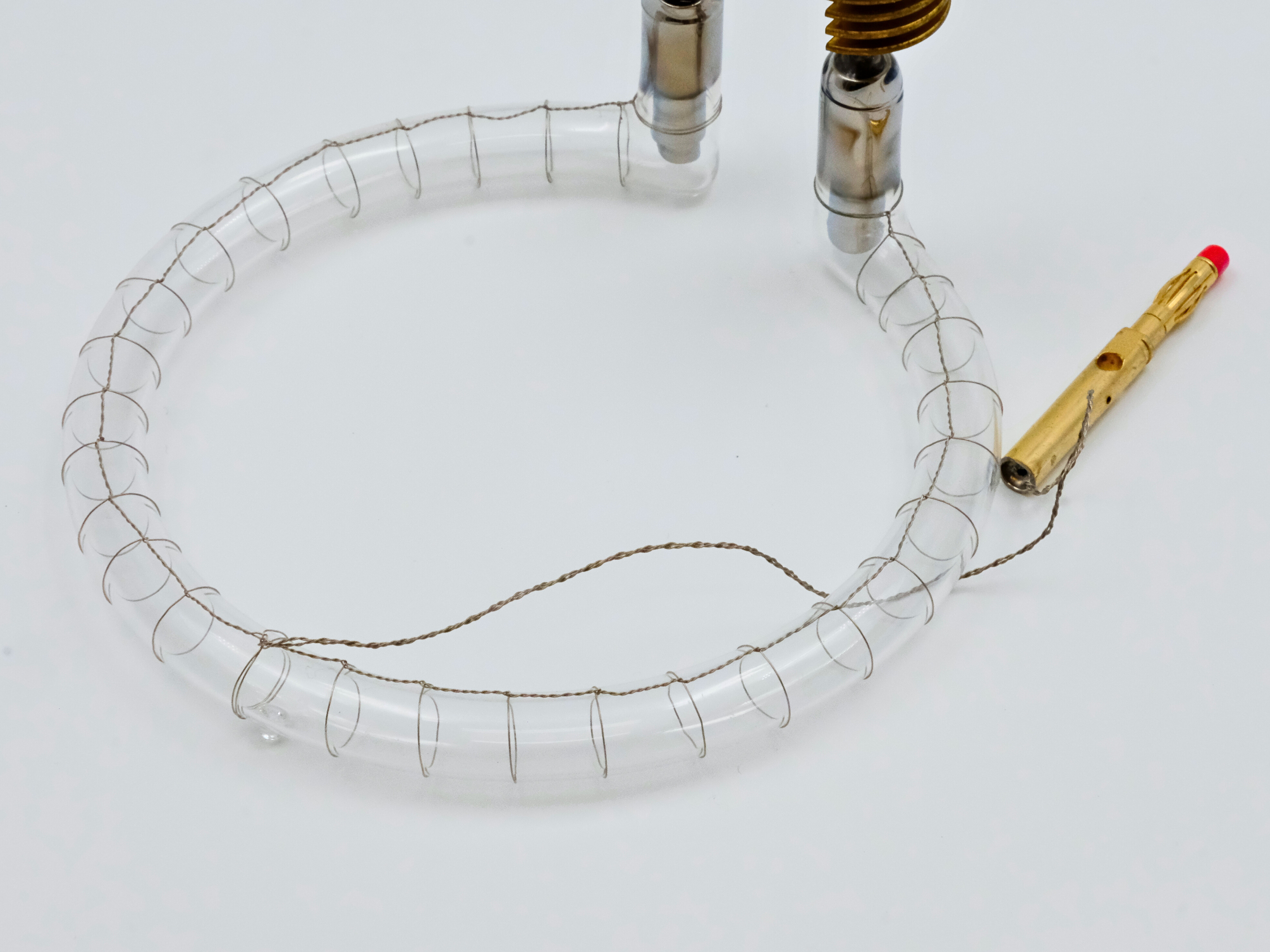
 EN
EN