
 EN
EN
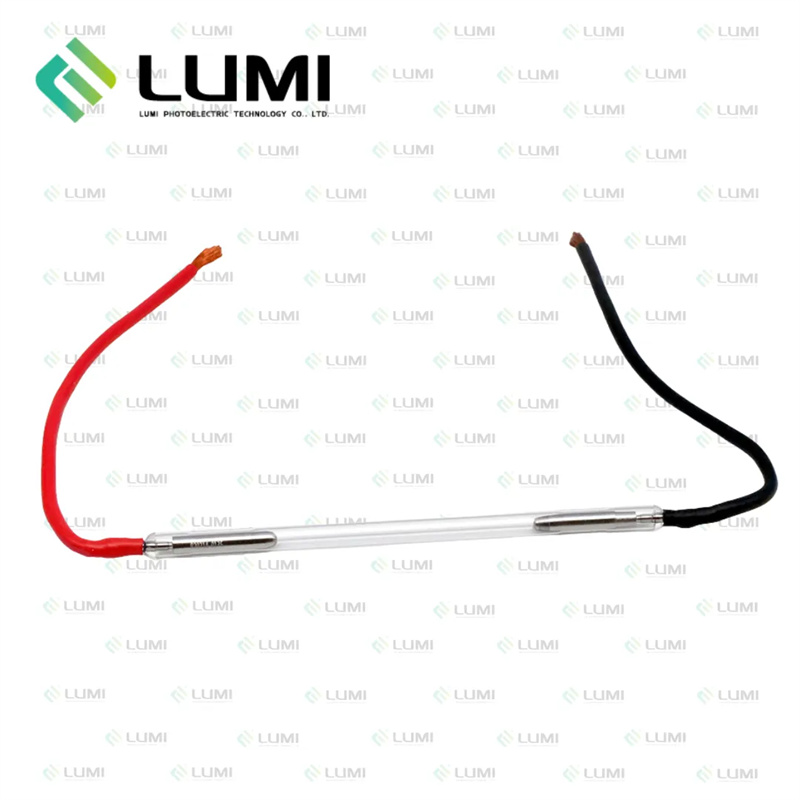
Efficientia dispositivi Intense Pulsed Light (IPL) non definitur omnino per suum externum formam aut software; sed potissimum determinatur per coniunctionem harmoniam componentis centralis, scilicet lampae xenon. Specificatio inaequalis facile ducit ad effectus malos, defectum machinae, et pericula secutitatis. Apud Lumi Photoelectric Technology Co., Ltd., credimus quod profundior cognitio harmoniae inter lampam et machinam est clavis ad designandum praestantia instrumenta optica. Haec directiva explicat gradus necessarios ad concordandam specificatio lampae xenon cum tuo stilo IPL.
Intellegere Parametros Claves: Voltum, Currentem, et Longitudinem Arcus
Haec tria specificatio constituunt fundamentum plani efficientiae tuae lampae:
Arc Length: The distance between the electrodes directly affects the treatment area size and electrical resistance. A longer arc requires higher voltage to ignite and sustain the plasma arc but can illuminate a larger area. A shorter arc enables a more focused, high-intensity area.
Voltage (V): The ignition and operating voltage determine whether the lamp can be reliably ignited and how much energy is stored in the capacitors. The power supply must be designed to deliver a voltage waveform that comfortably exceeds the lamp’s ignition voltage.
Current (I): The current flow through the plasma arc determines the intensity and spectral characteristics of the light output. The interplay of voltage and current defines the energy profile of each pulse.
Accurate command over these specifications in our IPL Lamps guarantees that the light runs as a foreseeable as well as steady element within the bigger electric body.
Optimizing Pulse Duration for Maximum Treatment Effectiveness
Rhythm period is a crucial therapy specification that should be actually matched towards the target's thermal relaxation time (TRT). The light as well as its own energy source should be actually crafted towards provide accurate, constant pulses.
Short Pulses (like 2-10 ms): Perfect for little, fast-heating aim ats such as great hair as well as melanin granules. They provide power quickly, ruining the aim at prior to warm can easily dissipate towards the bordering skin layer.
Long Pulses (like 10-100 ms): Utilized for bigger aim ats such as capillary or even for dealing with darker skin layer kinds. The slower power shipment carefully heats up the bigger aim at while enabling the bordering skin towards awesome, improving security.
The lamp's interior style as well as the chauffeur circuit should operate in show towards create steady, square-wave-like pulses without considerable degeneration or even flickering, a basic our team support in our Laser Xenon Lamp production.
Ensuring Device-Lamp Compatibility to Prevent Malfunctions
Requiring a light towards run in a body it had not been developed for is actually a main reason for early failing. Essential compatibility examinations consist of:
Electrical Impedance Matching: The lamp's resistance should suit the outcome qualities of the energy source. A mismatch can easily trigger "present sounding," which erodes electrodes as well as fractures the quartz movement pouch, resulting in devastating failing.
Gestio Caloris: Calor immensus propter lucem generatus efficaciter dissipandus est. Corpus refrigerans instrumenti (sive aeris sive aquae refrigeratum) ad dimensiones aptas ad onera thermica designis lucis administranda conformari debet, ne temperatio nimia atque deterioratio consequantur.
Concordantia Mechanica et Optica: Lucerna ad speculum perfecte adaptanda est, ut illuminatio optima et forma fasciculi lucis congruens obtineatur.
Adaptatio Specificationum Lucernae ad Diversos Typus Cutis et Metas Tractationis
Instrumenta IPL progressa flexibilitatem praebent per modificationes specificarum permittentes, quae sunt mutationes in modo quo lux dirigatur:
Typi Cutis Fitzpatrick I-III: Fluencias superiores et periodos rhythmicas breviores pro epilatione et pigmento tolerare solent.
Fitzpatrick Skin Types IV-VI: Require much longer pulse durations as well as reduced fluences to safely target structures without risking skin trauma from excessive thermal accumulation.
Vascular vs. Pigment Treatment: May require different spectral filtering (e.g., 515nm vs. 550nm cut-off filters) in conjunction with adjusted pulse parameters to optimize absorption by hemoglobin or melanin.
Case Studies: Successful Parameter Matching in Clinics
Case Study 1: High-Efficiency Hair Removal Device. A manufacturer partnered with Lumi to create a customized short-arc IPL light along with a specific current thickness. By coordinating this light with a high-current, fast-discharge energy source, they achieved an extremely brief, intense pulse ideal for targeting deep hair roots. The result was a device renowned for its speed and efficacy on fine hairs, providing it a significant market advantage.
Studium Casus 2: Systema Photorejuvenationis Versatile. Alius cliens postulabat unicum instrumentum ad tractandum varietatem latam morborum. Egregium nostrum collegium praebuit lucem cum arcu longiore et amplificavit suum ambitum pro emissione lati-spectri. Hoc instrumentum, integratum cum fonte energiae qui potest praebere varietatem periodorum rhythmici (a 5 ms usque ad 50 ms), secure et efficaciter tractare potest omnia, a lesionibus vascularibus in cutibus levi usque ad pigmenta in cutibus fuscius, demonstrans vim specificationis accuratae ad aptandum.
Per tractandum lucem xenon non ut productum sed ut centrum corporis IPL, facile aperire potes novos gradus efficaciae, securitatis et excellentiae mercati.
Index Contentorum
- Intellegere Parametros Claves: Voltum, Currentem, et Longitudinem Arcus
- Optimizing Pulse Duration for Maximum Treatment Effectiveness
- Ensuring Device-Lamp Compatibility to Prevent Malfunctions
- Adaptatio Specificationum Lucernae ad Diversos Typus Cutis et Metas Tractationis
- Case Studies: Successful Parameter Matching in Clinics