
 EN
EN
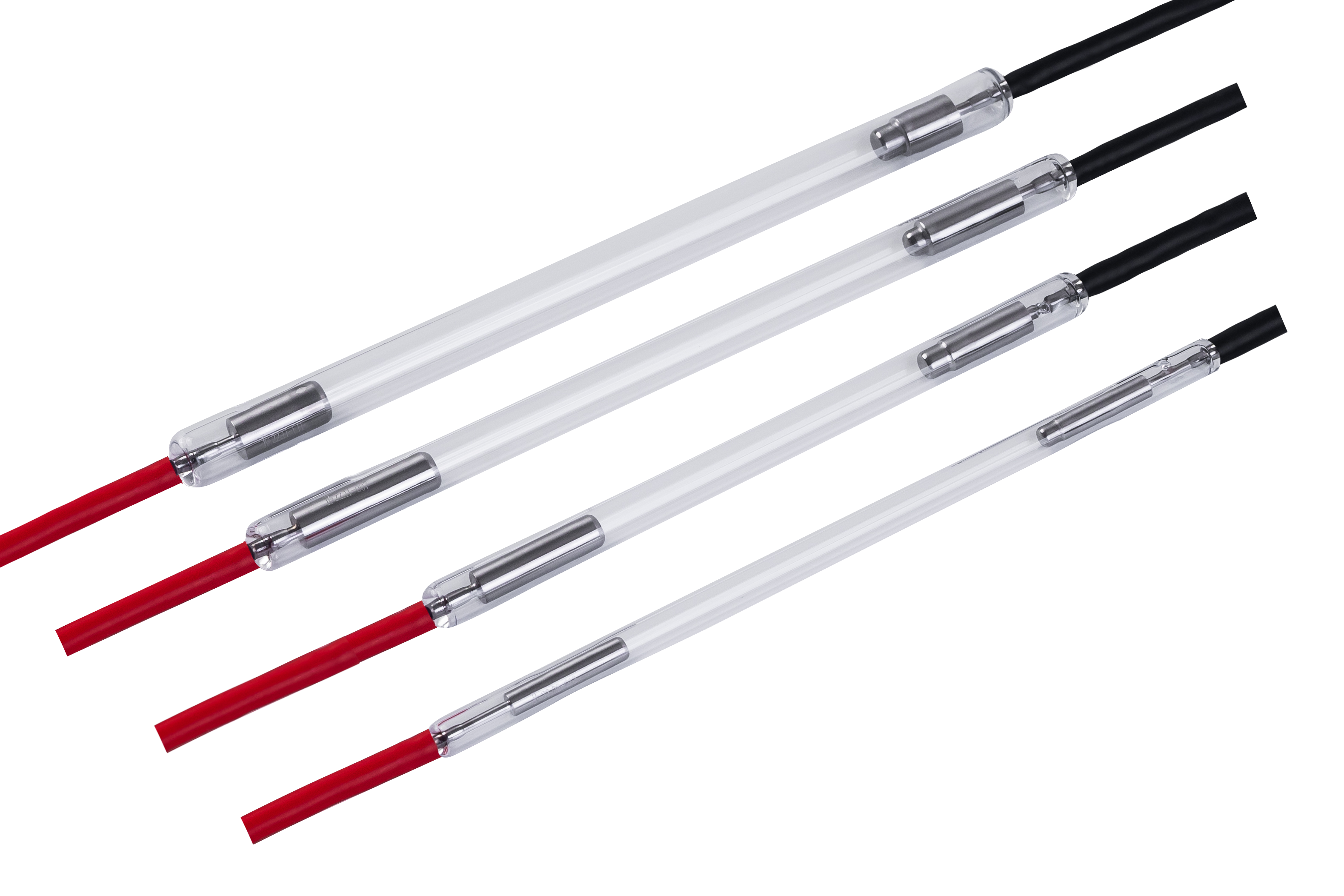
يُعَدُّ اختيار تكنولوجيا مصدر الضوء واحدةً من أهم القرارات في تصميم الجهاز التجميلي والممارسة السريرية. وفي هذا الصدد، توجد تقنيتان شائعتان ورائدتان هما: نظام الإضاءة النابضة المكثفة القائم على الزينون (IPL)، ونظام الليزر المُشغَّل بواسطة مصباحٍ، وكلاهما يقدِّم مزايا مختلفة. ومن المهم أيضًا معرفة الفروق الجوهرية بينهما لتحديد الأداة المناسبة أثناء العلاج المعني. وتتعامل شركة لوم لتقنيات الكهروضوئيات المحدودة (Lum Photoelectric Technology Co. Ltd.) مع كلٍّ من مصابيح الإضاءة النابضة المكثفة (IPL) ومصابيح الليزر القائمة على الزينون. ويمكننا أن نقدِّم لك مقارنةً واضحةً تساعدك في اتخاذ قرارك.
اختلافات جوهرية في الطيف والشدة وخصائص النبض.
وباختصار، فإن الاختلاف الجوهري موجودٌ فعلاً في طبيعة الضوء الذي تُصدره هذه الأنظمة:
الطيف: تُنتج مصابيح الزينون المكثفة للضوء (IPL) طيفًا ممتدًا من الضوء، أي طيفًا مستمرًا يغطي نطاق الأشعة فوق البنفسجية حتى الأشعة تحت الحمراء القريبة، ويتم ترشيحه لتنقية الطول الموجي المطلوب تحديدًا للعلاج. أما أنظمة الليزر فتعمل عن طريق ضخ بلورة باستخدام مصباح زينون للحصول على طول موجي واحد دقيق ومتجانس وأحادي اللون.
الشدة: تركز أنظمة الليزر كل طاقتها في طول موجي واحد، ما يجعل كثافة القدرة لهذا الطول الموجي وحده مرتفعة جدًّا. أما أجهزة IPL فتوفر قدرة عظمى كبيرة عبر نطاق أوسع من الأطوال الموجية للضوء، ثم يتم ترشيح هذا النطاق لتنقيته.
خصائص النبضة: يمكن استخدام الليزر لاستهداف الأنسجة بواسطة نبضات قصيرة جدًّا وعالية الطاقة تتراوح مدتها من النانوثانية إلى المللي ثانية. أما مدة النبضة المستخدمة في أجهزة IPL فهي عمومًا ضمن مدى المللي ثانية، ويمكن تشكيلها وتقسيمها لضمان سلامتها العالية عند تطبيقها على البشرة الداكنة.
مقارنة الأداء في علاجات إزالة الشعر وتجديد البشرة وتصبغات الجلد.
إزالة الشعر:
الليزر: فعّال جدًّا بسبب اختراقه العميق لأطوال موجية محددة، مثل ليزر النيوديميوم-ياغ (Nd:YAG) عند طول موجي 1064 نانومتر، مع تركيز عالٍ للطاقة. ويُفضَّل غالبًا لذوي البشرة الداكنة والشعر الخشن.
الضوء النبضي المكثف (IPL): يمكن استخدامه مع مجموعة واسعة من أنواع البشرة والشعر. كما أنه أكثر تنوعًا، مما يسمح بعلاج الشعر الأصغر وبمساحات أكبر بشكل أسرع، لكن هذا يتطلب في المقابل عدد جلسات أكبر للشعر المقاوم.
تجديد الجلد:
الضوء النبضي المكثف (IPL): مثالي لعلاج الاحمرار المنتشر، وتلف البشرة الناتج عن التعرض لأشعة الشمس، وكذلك للتجديد الضوئي العام، وذلك بسبب امتلاكه طيفًا واسعًا يمكّن من استهداف عدة صبغيات مختلفة في الوقت نفسه.
الليزر: يركّز أكثر على المشكلات الفردية، مثل التلف الوعائي العميق أو تقشير البشرة بدقة عالية.
علاجات التصبغ:
الليزر: أكثر ملاءمة للآفات الصبغية الموضعية المحددة، مثل البقع العمرية وإزالة الوشوم، وذلك بفضل انتقائيته الطولية الموجية ونبضاته الفائقة القِصَر.
أظهر الضوء النبضي المكثف (IPL) فعالية في علاج مساحات أكبر من تلف البشرة الضوئي، وتحفيز التصبغات السطحية بشكل أكبر.
تحليل طول العمر وتكاليف الصيانة والتشغيل.
طول العمر: تستخدم كلتا المنظومتين مصابيح فلاش زينون إما كمصدر مباشر (IPL) أو كمصدر ضوئي لضخ الطاقة (laser). ويمكن أن تدوم مصابيح عالية الجودة في هاتين التطبيقتين مئات الآلاف من الفلاشات. ويعتمد جودة المصباح ونوع التشغيل أكثر على عوامل مثل جودة التصنيع وطريقة التشغيل، وليس على نوع التقنية المستخدمة.
الصيانة: قد تحتاج أنظمة IPL أيضًا إلى تغيير الفلاتر بالإضافة إلى استبدال المصباح. أما أنظمة الليزر فتمتلك مسارًا بصريًّا أكثر تعقيدًا، وقد تتطلب صيانة لضبط المحاذاة.
تكاليف التشغيل: عمومًا، تكون التكلفة الأولية وتكاليف المواد الاستهلاكية لأنظمة IPL أقل نسبيًّا. أما أنظمة الليزر فهي عادةً أكثر تكلفة في البداية، لكنها قد تُحقِّق نتائج أسرع في حالات معينة، مما قد يؤثر إيجابيًّا على معدل استيعاب العيادة.
اعتبارات توافق الجهاز وتكامله.
لهذا القرار آثارٌ تاليةٌ على التصميم العام للمنظومة من قِبل مصنِّعي الأجهزة:
أنظمة إيل بي إل: يطلب السوق عالي الجودة أنظمة ترشيح عالية التقنية ومرايا عاكسة. وتهدف اعتبارات التصميم في هذه الحالة إلى تعظيم الإخراج المتعدد الأطوال الموجية.
أنظمة الليزر: تتطلب هذه الأنظمة تجويفًا بصريًّا خاصًّا جدًّا ونظام تبريدٍ مُحكم، بحيث يكون البلور والطول الموجي محدَّدين بدقة. ولتحقيق الفعالية القصوى، يجب ضبط لمبة الزينون الخاصة بالليزر بدقة لتتوافق مع طيف امتصاص البلورة الذي تكون فيه أكثر فعالية.
نصائح احترافية لاختيار نظام المصباح المناسب.
إما أنظمة الزينون لإيل بي إل أو الليزر: السؤال ليس أيٌّ منهما أفضل بشكل عام، بل أيٌّ منهما أنسب للتطبيق المطلوب:
اختر أنظمة الزينون لإيل بي إل لـ:
العيادات التي تحتاج منصة شاملة وفعّالة من حيث التكلفة لعلاج مؤشرات مختلفة مثل إزالة الشعر، والآفات الوعائية، والتلف الضوئي للجلد.
العلاجات التي تتطلب أحجام بقعة أكبر وسرعة تغطية أعلى.
الممارسات التي تعتني بأنواع البشرة المختلفة حسب تصنيف فيتزباتريك (من النوع الأول إلى الرابع).
اختر أنظمة الليزر لـ:
العيادات المتخصصة التي تتعامل مع الحالات الأكثر صعوبةً وتحديًا، مثل إزالة الوشم، والتصبغات المقاومة، وأنواع البشرة الداكنة، وعلاج Nd:YAG.
التطبيقات التي تتطلب درجة عالية من الدقة وكثافة القدرة القصوى عند طول موجي معيّن.
الممارسات التي يبرر فيها سرعة التوصل إلى النتائج بالنسبة للحالات المُشار إليها الاستثمار الأولي الأعلى.
وفي النهاية، تُعَد تقنيات الضوء النبضي المكثف (IPL) القائمة على الزينون وكذلك تقنيات الليزر أدوات فعّالة بالتأكيد في مجال التجميل: حيث يمكن تطبيق تقنية IPL على مجموعة واسعة جدًّا من الحالات دون منافس، بينما يمكن استخدام الليزر لتحقيق دقةٍ قصوى في حالات محددة. وستُستخدم هاتان التقنيتان في نهاية المطاف في معظم العيادات الناجحة التي تقدّم جميع العلاجات المتاحة. وأخيرًا، فإن مفتاح النجاح يكمن في فهم المزايا التي تمنحها كل منظومةٍ من هذه المنظومات، واختيار المعدات ذات الأجزاء الأساسية الأفضل — سواء أكانت مصباح IPL متعدد المهام أو مصباح الليزر الزينوني الذي يوفّر علاجًا دقيقًا.