
 EN
EN
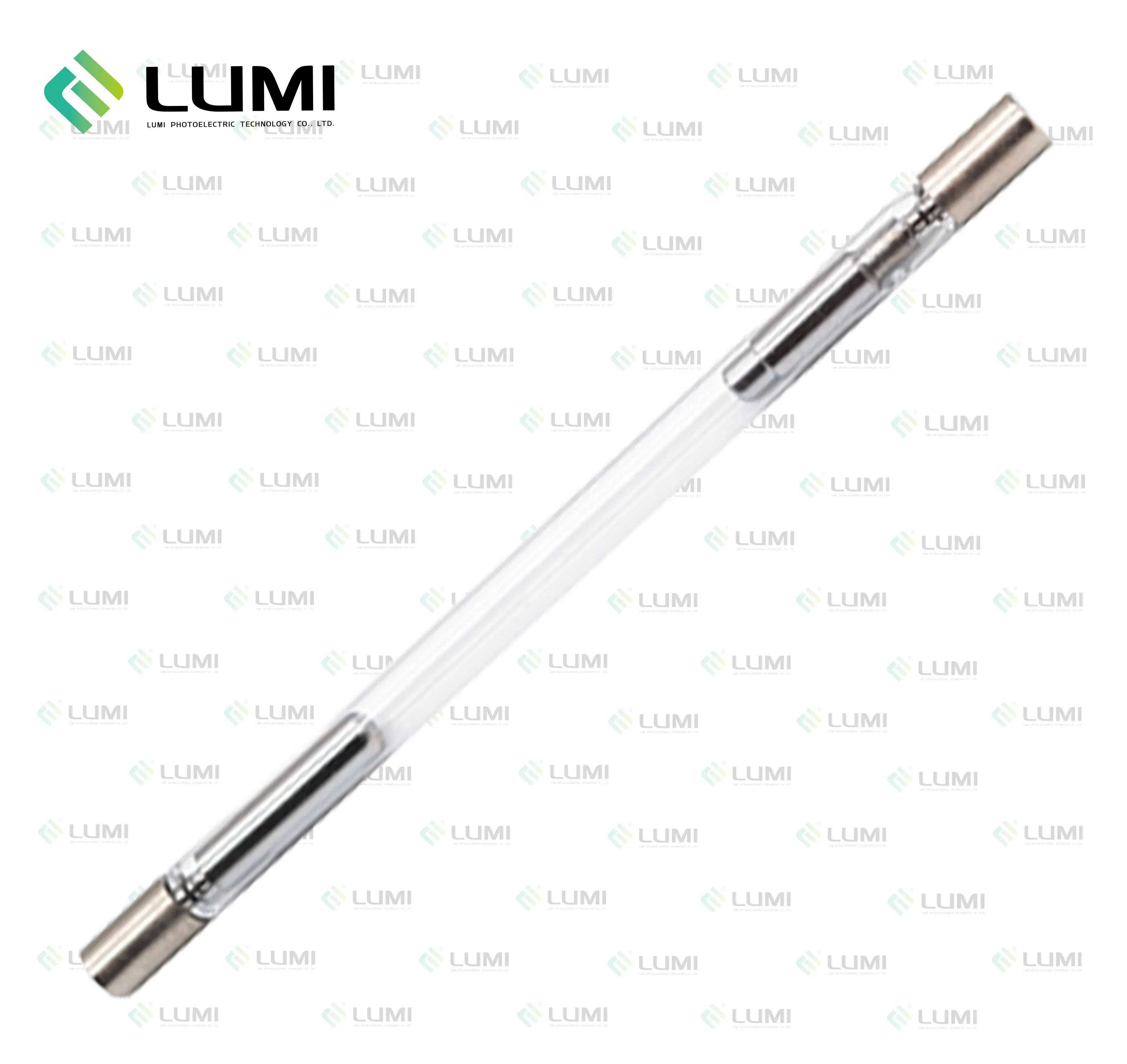
Performance is central in the professional aesthetics. The distinction between a good performance and a radical one is usually the central source of light in the device. With technologies such as Intense Pulsed Light (IPL) the term high-intensity is not simply a marketing slogan, it is the very characteristic of the xenon bulbs that make the technology possible. We design the high-intensity IPL Lamps and Laser Xenon Lamps at Lum Photoelectric Technology Co., Ltd. which are used as the standard of clinical efficacy. However, what exactly does high-intensity mean to practitioners and their clients?
The meaning of high-intensity to IPL and aesthetic devices.
Technically, high-intensity means the capability of a xenon lamp to produce an extremely high-power density, in Joules per square centimeter (J/cm 2) during a very short pulse. A high intensity xenon bulb, in contrast to a steady, faint light, gives one a blinding flash of full-spectrum light in the range of microsecond to milliseconds.
This is done by releasing a huge electrical energy with the xenon gas contained in an enclosed quartz envelope and thus developing an intense plasma arc. It is this burst of light that is intense and short which enables the energy to reach deep into the skin until it reaches its target; be it a hair follicle to permanently reduce it or a blood vessel to clear it up without any harm to the surrounding tissue due to excessive heat diffusion.
Influence on the Treatment Effectiveness and Satisfaction of Clients.
The practical advantages of the high-intensity light are directly experienced in the clinic:
Reduced Treatment Sessions: Adequate fluence provided to the target structure means that destruction is achieved in less treatment sessions. Something that may require 8-10 sessions using a low-power device may only require 5-6 sessions using a high-intensity system.
Enhancement of longer treatment periods: Due to the high energy per pulse, fewer passes are made on the same site, which saves the time of each appointment by a large margin.
More Efficient and a broader range of Causes: The high intensity systems can treat a broader range of concerns, between coarse and stubborn hair to deeper vascular lesions than the lower-power devices can. This translates to the satisfaction of clients, and outstanding clinical results.
Setting of the Devices to the lightest.
The maximum potential of a high-intensity lamp can be utilized only with proper establishment of a given device. Key parameters include:
Fluence (Energy Level): The peak amount of power per pulse is attained through the assurance that top permissible and secure amount of fluence is applied onto the skin type and condition.
Pulse Width: It is worthy to align the pulse duration with the target size. Shorter pulses are preferable when smaller targets (fine hairs) are needed and longer pulses are safe when they are needed on larger targets (leg veins) or when they are needed on darker skin.
Pulse Delay (Multipulse): Delay in Multipulse mode to maximize the effect of pulse cooling on the epidermis and maintain the same amount of energy required in the follicle, the delay between pulses can be increased in Multipulse mode.
Effective optimization will be carried out to make sure that the mighty power of the lamp is utilized accurately, as much as possible and risks minimized.
Handling of High-Intensity Xenon Bulbs Safety Measures.
These elements are powerful and should be respected and handled with care:
Professional Installation: Such bulbs are to be installed only by the trained personnel in order to be correctly aligned and to be connected.
Wear Protection Gear: Wear safety goggles and gloves when handling the bulbs. The quartz may form hotspots created by presence of oil on the skin and bursting out a bulb may be hazardous. Observe Cooling Procedures: It is important to note that the device has an inbuilt cooling fan that should not be turned off. The first and the most important part of the increasing lifespan of the lamp and making sure that the performance does not decrease is to provide the lamp with an opportunity to cool down properly after the use. Follow Manufacturer Plays: The rules of the device manufacturer on the energy settings and the interval of their treatment need to be followed to the letter to ensure the safety of the clients as well as the achievement of the most effective results. Xenon vs. Standard Lighting Solutions: Comparison.
The differences between high intensity xenon and other light sources are very large:
As compared to Standard Halogen/Incandescent There is no comparison. Normal bulbs are unable to generate the necessary maximum power or the appropriate light spectrum to be effective in the photothermal treatments.
Compared to LED: LEDs are the best when used in low level light therapy (LLLT), but they do not have the high peak power (fluence) necessary to permanently reduce hair or destroy pigmented and vascular lesions. The mode of action is also completely different.
Compared to Low-Power/Home-Use IPL: Consumer devices are powered by considerably lower-intensity lamps, with the aim of safety being a priority to untrained users. This by necessity limits their effectiveness and the reason that they cannot achieve the long time high-quality permanent results that high-intensity systems offered in clinics can.
The professional aesthetic equipment engine is high-intensity xenon bulbs. Their incomparable strength and accuracy allow clinics to provide efficient, effective, and satisfying therapies that would foster trust and guarantee client loyalty. To practitioners who will not give in to results, the use of devices that are energized with high quality and intensity lamps by professionals such as Lumi is not only a choice, but also a promise to quality.