
 EN
EN
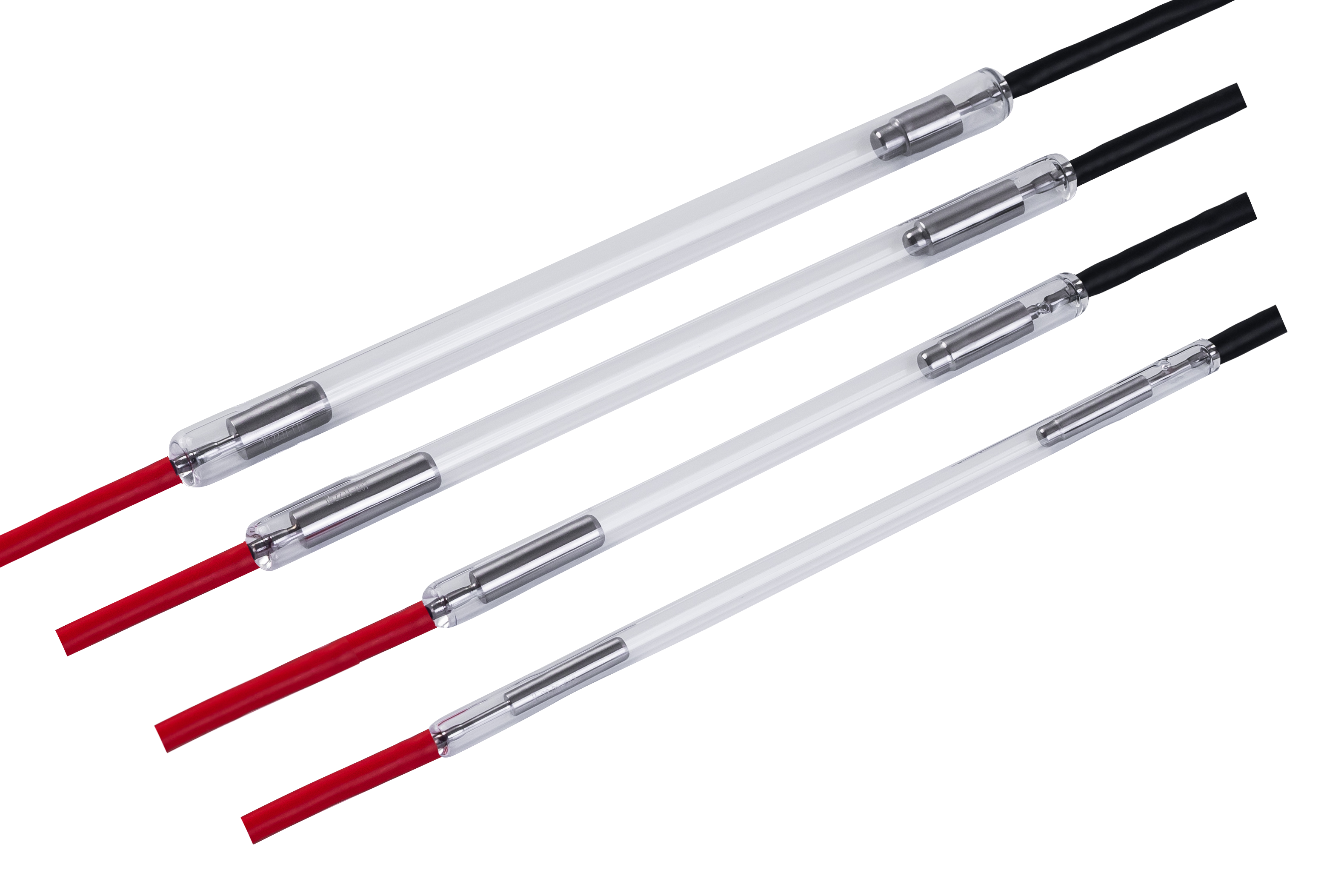
The operation of the Intense Pulsed Light (IPL) and Super Hair Removal (SHR) systems directly relies on the main light source. Although there is a difference in the technique between these technologies; IPL which is based on filtered and broad-spectrum light and SHR which is based on rapid and low-fluence pulses, the technologies all involve a high-performance laser lamp to produce the required optical energy. The choice of the appropriate lamp is a technical issue that directly affects the effectiveness of the treatment process, comfort of the patient, and the workability of the device. In Lumi Photoelectric technology Co., Ltd., we offer Laser Xenon Lamps and IPL Lamp that are specially designed to suit the unique requirements of current aesthetics systems.
Comparison of the various types of Laser Lamps in the case of IPL and SHR.
The key to the correct choice of the lamp should be an understanding of the basic needs of each technology:
In the case of Traditional IPL Systems: The lamp should be able to generate a wide, intense, and stable spectrum. This can be easily filtered to isolate wavelengths that are most useful at targeting melanin (hair removal) or hemoglobin (vascular treatments). The high peak power is important to reach an adequate fluence in every pulse.
In the case of SHR (Super Hair Removal) Systems: The main criterion will be the ability of high repetition rate and thermal stability. SHR technology involves the sequential high speed pulses of lower energy levels which heat the follicle over time which is effective. The lamp should be able to operate under this continuous high frequency without a decrease in performance or overheating.
Calibration of Wattage, Pulse Duration and Arc Length to Device Requirement.
These parameters should be matched precisely in order to guarantee optimum integration and performance:
Wattage and Energy: To be consistent with the power supply of the device and the clinical outcome required. SHR systems could have a decreasing power-per-pulse but increasing average power priority whereas traditional IPL needs a higher peak power in individual high-fluence pulses.
Pulse Duration: IPL systems typically have a variety of pulse times around which they are used. SHR systems normally use very short pulses with a high frequency. These are the timing parameters of the lamp, which must be able to operate stably.
Arc Length: This is used to calculate the size of the plasma arc and this affects the ideal spot size. A shorter arc can offer a sharper source of light, whereas a set up that can be used in SHR needs to be able to support homogenous illumination at a high rate of repetition.
Coffee vs. Espresso: Advantages and Disadvantages.
The ability to make a decision between a custom and a standard lamp carries with it great consequences:
OEM/ Custom Lamps:
Advantages: Ideally suited to the electrical, optical, and thermal systems of your device. Allows product differentiation, optimum performance, and in most cases, increased life cycle owing to customized engineering.
Disadvantages: increased initial development cost, increased lead time in development and prototyping.
Off-the-Shelf Lamps:
Advantages: Reduction of the short-term cost and easy accessibility.
Cons: It is commonly a close enough fit that compromises design leading to potentially suboptimal operation, shorter life and lack of competitive advantage. Warranties of the devices are also nullified because of compatibility risks.
Guidelines on How to Prolong Lamp Life and Lamp Performance.
To maximize the value of your lamp investment, it is necessary to take good care of it:
Keep Pulse Count limits: Replace lamp when pulse count is met with the pulse count limit recommended by the manufacturer. Operating a lamp past its expected lifetime causes its performance to decrease and the results to be unpredictable.
Make sure of Strong Cooling: Do not weaken the cooling system of the device. The most critical aspect of lamp preservation is effective thermal management that would ensure the lamp lives longer and its output remains constant.
Use Proper Start-Up/ Shut-Down Procedures: Do not turn the lamp and electrode ON/OFF frequently, and do not completely cut the lamp and electrode off, as this causes thermal stress on the lamp and electrodes.
Install Certified Replacements: When replacing lamps, it is always recommended to install the lamps that the device manufacturer recommended or one that is recommended by a well-known OEM such as Lumi to ensure that the lamp is compatible and performs as intended.
Case Studies: Selecting the best Laser lamps to use in Aesthetic Clinics.
Case Study 1: Resolving the Inconsistency within a High-Volume Clinic. Medspa that used an off-the-shelf replacement lamp on their IPL device complained of mixed hair removal and lamp malfunctions. Once they had switched to the OEM-specified Lumi IPL Lamp, they had noticed that they could have uniform reactions on the skin and also have failure-free performance. The clinic eradicated untimed unavailability and created a good reputation of having predictable and effective treatment.
Case Study 2: Facilitating a New SHR Service Line. A clinic that opened the new SHR service chose a device characterized by a strong thermal management and a special high-repetition-rate lamp. The lamp in question was capable of doing the continuous and high frequency pulsing needed by the SHR technique without causing overheating. This enabled the clinic to provide clients with the provision of a comfortable and effective method of hair removal to clients with sensitive skin and therefore they were able to make a differentiation in the competitive market.
To sum up, based on matching specifications, the choice of the most appropriate laser lamp is a tactical move. In the case of IPL and SHR systems, it consists of a profound knowledge of the methodology of treatment and the adherence to good quality and compatibility. Selecting the appropriate lamp, be it a bespoke OEM, or a certified replacement, the clinics and manufacturers can be confident that their equipment will provide the safe, effective and reliable results that make aesthetic industry success.