In recent years, aesthetic care has begun embracing a more holistic paradigm — one that combines advanced light-based therapies with targeted topical skincare. Rather than viewing devices and creams as separate tools, leading clinics and device makers are recognising that when used together, they can deliver synergistic effects — improving outcomes, reducing side effects, and elevating users’ overall skin health.
Intense Pulsed Light (IPL) and OPT systems have long been trusted for treating pigmentation, vascular lesions, unwanted hair, and general photodamage. As one comprehensive review explains, IPL’s polychromatic pulses — when filtered and adjusted correctly — can address vascular and pigmented lesions, hair removal, and signs of photo-aging.
Moreover, studies on peri-ocular rejuvenation have shown IPL’s effectiveness in reducing wrinkles and hyperpigmentation, yielding significant patient satisfaction.
However, pure light therapy — though powerful — works primarily through controlled micro-thermal and photomechanical effects in the skin, triggering collagen remodelling, pigment breakdown, and vascular repair. What it cannot do, by itself, is provide barrier support, hydration, antioxidant protection or deliver active ingredients deep into the skin over time. That is where topical skincare enters — and where the combination becomes compelling.
The approach is simple: after a carefully calibrated IPL or OPT session powered by high-quality xenon/krypton flash lamps (ensuring stable, uniform pulses), apply tailored skincare: calming serums, barrier-repair moisturizers, sunscreens, or even actives like brightening agents or collagen boosters. This “light therapy + aftercare skincare” sequence capitalizes on the transient increase in skin receptivity post-treatment (micro-injury-induced regeneration phase) — promoting not only visible surface improvement, but deeper renewal and long-term skin health.
Emerging techniques also support the trend of combining energy-based therapy with topical delivery. For example, Laser‑Assisted Drug Delivery (LADD) shows that lasers or light-based pre-treatments can temporarily increase skin permeability, enhancing the absorption of topical medications or cosmeceuticals.
Clinical studies involving LADD reported improved outcomes for melasma, scar treatment, and general skin rejuvenation, with good safety profiles.
For device manufacturers and skincare brands, this evolving landscape presents a valuable strategic opportunity. Rather than marketing devices or creams separately, they can offer integrated treatment regimens: light-based sessions plus curated skincare protocols. This not only enhances efficacy, but also raises perceived value, encourages longer-term customer loyalty, and differentiates offerings in a crowded beauty market.
For end-users — clinics, spas, or consumers — the benefit is clear: safer, more comprehensive results. Pigmentation fades more evenly, skin tone appears more uniform, post-treatment sensitivity is reduced, and long-term skin quality improves. As demand grows for effective yet non-invasive skincare, the model of “flash-light + after-care” may well become the new standard in aesthetic therapy.
In the crossroad of light technology and topical science lies a powerful synergy — one that transforms single-purpose treatments into holistic skin renewal routines. As photofacial devices continue evolving, combining them with intelligent aftercare may be the future of beauty.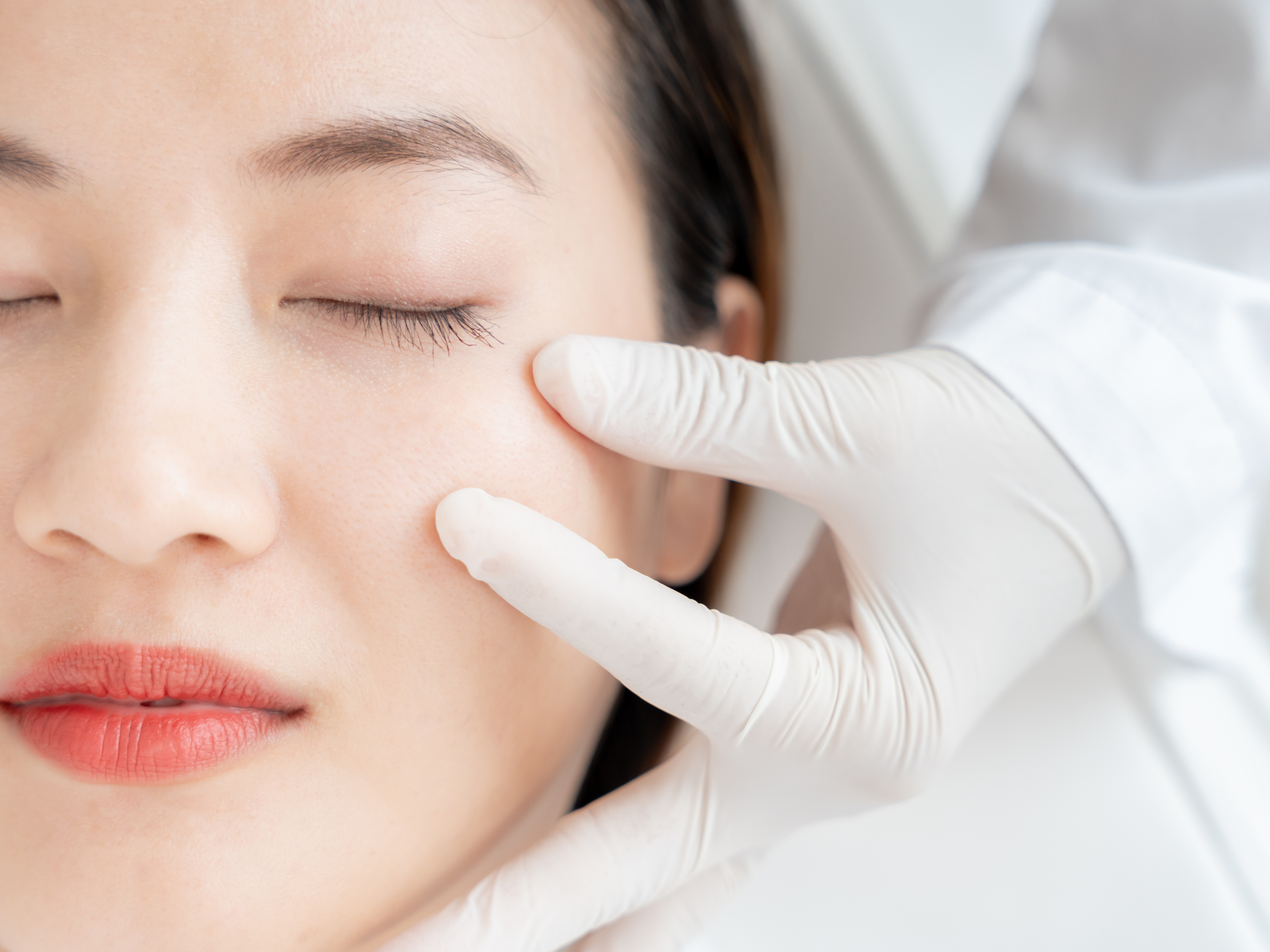
 EN
EN