
 EN
EN
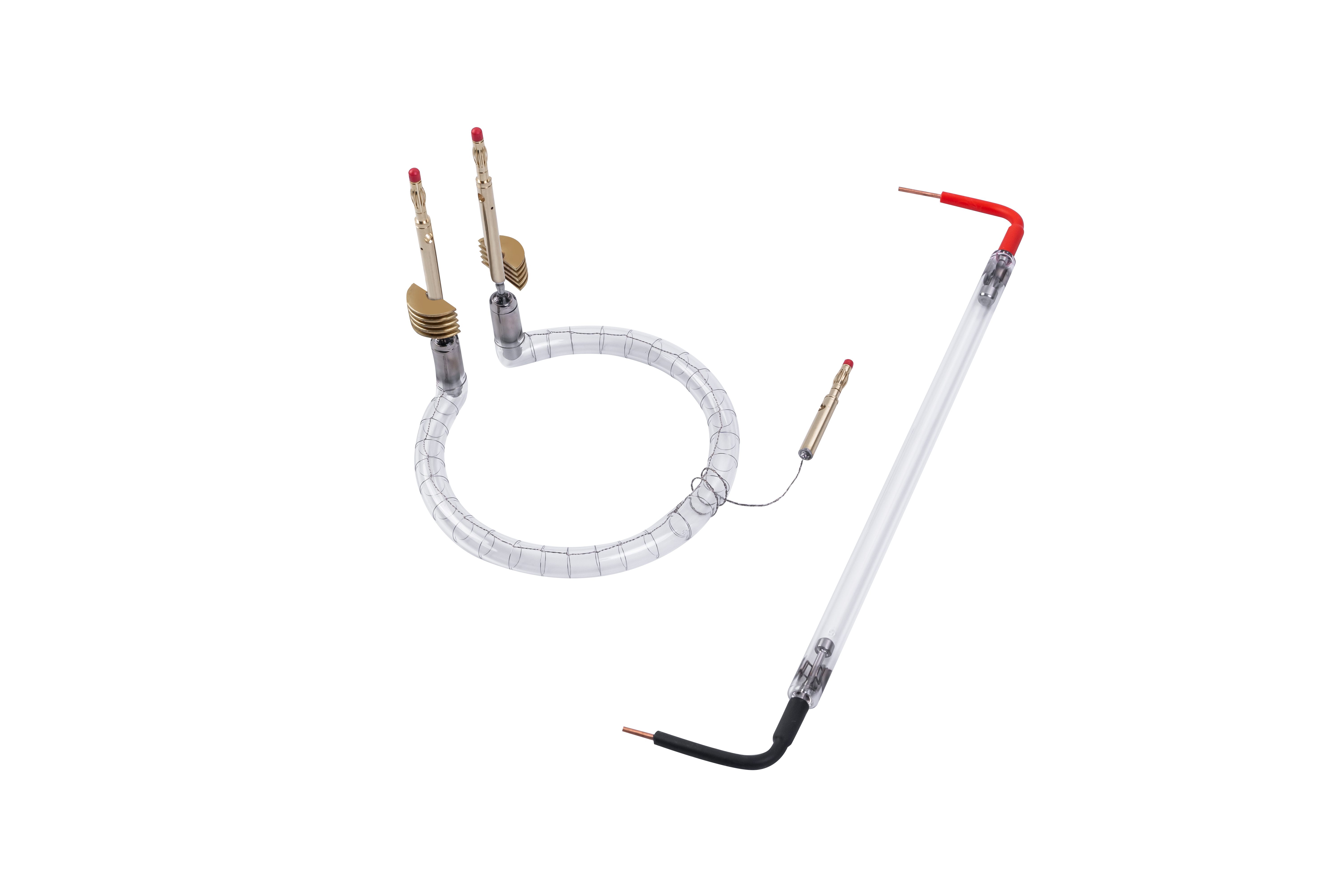
One of the most important decisions made in the design and selection of the aesthetics devices is the choice of the light source. Although the xenon flash lamps and LEDs have their share in the market, they are absolutely different technologies possessing different performance features. All OEM manufacturers who are constructing devices and clinics that invest in equipment should know these differences. In the case of Lumi Photoelectric Technology Co., Ltd. where we are fully equipped in both Xenon Lamp and Krypton flash lamp technology, we give you a clear comparison in order to help in the process of making your decision.
Important Light Intensity, pulse control and spectrum differences.
The fundamental difference is the physics of light production:
Light Intensity: Xenon lamps can generate a very intense (point-source) flash of a plasma arc attaining very high peak powers (kilowatts to megawatts per pulse). LEDs are long-term sources which produce a lower intensity of continuous light and must be accumulated to produce enough power.
Pulse Control: Xenon lamps are naturally pulsated. They are able to produce extremely short, high energy pulses (milliseconds) and composite multi-pulse sequences, both of which are essential in efficient photothermolysis as well as patient comfort. LEDs will pulse up, though usually to lower peak disorders and longer minimum pulse intervals.
Spectral Output: Xenon has a continuous broad, sun-like spectrum with a continuous range of UV to IR, that can be filtered in a specific manner depending on the kind of use. LEDs produce monochromatic beams (usually 20-50nm FWHM). A wide spectral range is achieved by stacking many varied LED chips together and this may cause spectral discontinuities and a non-uniform beam pattern.
Comparison of performance of Hair Removal and Skin Rejuvenation.
The result of such technological divergence is apparent in performance differences in core applications:
Hair Removal: Xenon lamps are incomparably better. High fluence (energy/area) at short pulses is required to burn the follicle and not the epidermis to achieve good hair removal. This is best suited by the high peak power of a xenon flash lamp. LED arrays have difficulties attaining the required combination of peak power and short pulse, thus, they are less efficient in permanently reduction of hair.
Skin Rejuvenation (LLLT): LEDs can be used in Low-Level Light Therapy (LLLT), in which continuous light of low power is used to spur cellular metabolism without heating the tissue. They have a certain wavelength (e.g., red at 633nm, near-infrared at 830nm) that is particularly appropriate to diminish inflammation and stimulate collagen. Filtered xenon lamps are more powerful and flexible in photothermal rejuvenation (of blood vessels, encouraging collagen by heating it slightly) by enabling the use of the component light.
Maintenance, Longevity and Costs.
Lifespan: The life of IPL Lamps of high quality is a number of hundreds of thousands to millions of flashes. LEDs also have higher hours of rated lifespan but are capable of decreasing output with time. A xenon lamp can require replacement after 1-2 years in a high volume clinic whereas an LED array can last longer but may experience a loss in performance.
Maintenance: Xenon lamps are a consumable product that has to be replaced periodically. LEDs are usually soldered in, when one of them fails, the rest of the array can require servicing or replacement.
Cost: LED will be less expensive to start with. Nevertheless, a xenon-based device tends to be faster and more effective in hair removal and vascular procedures, which in most cases causes a faster return on investment (ROI) of a clinic because of the increased patient throughput and good outcomes.
Selecting the Optimal Lighting Source in Your Type of Devices.
The option is application-specific:
Choose Xenon Flash Lamps for:
Medical IPL systems of hair removal, vascular lesions, and pigmentation.
Photothermal skin rejuvenation equipment with high power.
Multi application platforms which demand a single, multi-purpose, high power light source.
Choose LED Arrays for:
Specialized Low-Level Light Therapy (LLLT) equipments in anti-inflammatory and healing treatment.
General skin conditioning Low-cost, consumer-grade, or low-power professional equipment.
Electronics in which the major aim is non-thermal light emission.
Best Practices to Clinics and OEM Manufacturers.
In the case of Clinics: xenon-based IPL systems will have proven and high-efficacy treatments such as hair removal and photo rejuvenation. The performance and ROI is established well. Introduction of LED-based LLLT device may be considered as a complementary service to anti-inflammatory treatments and healing.
To OEM Manufacturers: Your market is determined by the choice. Xenon flash lamps are the gold standard of professional, high-performance aesthetic equipment, particularly in targeting dermatologists and medspas. They provide the power, versatility and clinical outcomes that this market requires. LEDs may become an economical option to the consumer or low-end professional market that targets the field of gentle, non-thermal therapies.
Conclusively, there is no universal solution. Xenon and LED are complementary technologies and they serve in different segments of the aesthetic market. With an insight into their core advantages and disadvantages, the manufacturers can create a better device and the clinics will invest wiserly that will increase the effectiveness of the treatment and the growth of the practice.