An IPL xenon flash lamp can directly affect energy stability, flash consistency, device errors, and service life in beauty machines. This guide explains the warning signs of lamp-related instability, the common technical causes, how to diagnose the issue, and how to choose a reliable replacement lamp for OEM, repair, or maintenance needs.
Why IPL Xenon Flash Lamp Stability Matters
An IPL xenon flash lamp is one of the core light-source components inside IPL beauty equipment. If its output becomes unstable, the machine may still power on and flash, but the actual optical energy may vary from pulse to pulse. For clinics, salons, repair teams, and beauty equipment manufacturers, that instability can lead to inconsistent user experience, more service complaints, and higher maintenance costs.
Energy stability is not only about brightness. It is affected by lamp aging, electrode condition, gas filling quality, cooling efficiency, trigger reliability, and the match between the IPL lamp and the machine’s power system. A high-quality aesthetic device lamp should provide repeatable light output under the correct operating conditions.
For OEM manufacturers, this is especially important. If one batch of lamps performs differently from another, calibration becomes harder, after-sales pressure increases, and brand reputation may suffer. That is why the IPL xenon flash lamp should be checked early when a beauty machine shows unstable energy or declining performance.
7 Warning Signs Your IPL Lamp Needs Attention
Not every machine problem is caused by the lamp, but the following signs often indicate that the IPL lamp should be inspected.
1. Treatments Require More Sessions Than Before
If the same settings no longer produce the expected performance, the IPL xenon flash lamp may be losing output. The lamp can still flash, but the emitted energy may have declined because of tube darkening, electrode wear, or aging.
2. Energy Output Becomes Inconsistent
When the machine delivers strong flashes at one moment and weaker flashes at another, the beauty machine lamp may be unstable. However, technicians should also check the capacitor, power supply, and trigger circuit before confirming the cause.
3. The Lamp Flashes Weakly or Unevenly
A weak or uneven flash can suggest that the xenon flash lamp is no longer discharging properly. Dark spots, uneven light distribution, or visible changes in the tube may indicate reduced transmission or internal wear.
4. The Handpiece Becomes Hot Faster Than Usual
Excessive heat can shorten the life of an IPL lamp and reduce energy stability during continuous operation. The root cause may be poor cooling, blocked water flow, fan failure, or a lamp that does not match the handpiece design.
5. Frequent Error Codes or Flash Failure
If the machine shows recurring errors, misfires, or no-flash events, the trigger circuit and the IPL xenon flash lamp should both be checked. Triggering issues may occur when the lamp ages or when replacement specifications are not correct.
6. Visible Darkening, Cracks, or Electrode Wear
A damaged aesthetic device lamp should not be ignored. Darkened quartz, cracked glass, burned electrodes, or loose connectors are warning signs that replacement may be required to protect the machine and maintain stable output.
7. Shorter Lamp Life After Replacement
If a newly installed IPL xenon flash lamp fails too quickly, the problem may be poor lamp quality, wrong specifications, unsuitable cooling, or an unstable power supply. Repeated short lamp life usually means the full system needs diagnosis.
Common Xenon Flash Lamp Problems Behind Energy Instability
A xenon flash lamp used in IPL equipment works under high pulse energy and repeated thermal stress. Over time, several lamp-related problems can reduce stability.
The first issue is natural aging. Every flash gradually affects the electrodes and tube condition. After many pulses, the optical output may decline even if the lamp still appears functional. This is why flash count and service records are important.
The second issue is electrode wear. Electrodes are essential for stable discharge. When they degrade, the IPL xenon flash lamp may become harder to trigger, or each pulse may become less consistent.
The third issue is tube darkening. Internal deposits or surface discoloration can reduce light transmission. As a result, the device may need higher settings to deliver similar output, which adds more thermal stress to the system.
The fourth issue is poor manufacturing consistency. A low-quality beauty machine lamp may have unstable gas filling, weak sealing, inconsistent electrode alignment, or poor dimensional control. These problems can lead to batch-to-batch differences and unpredictable performance.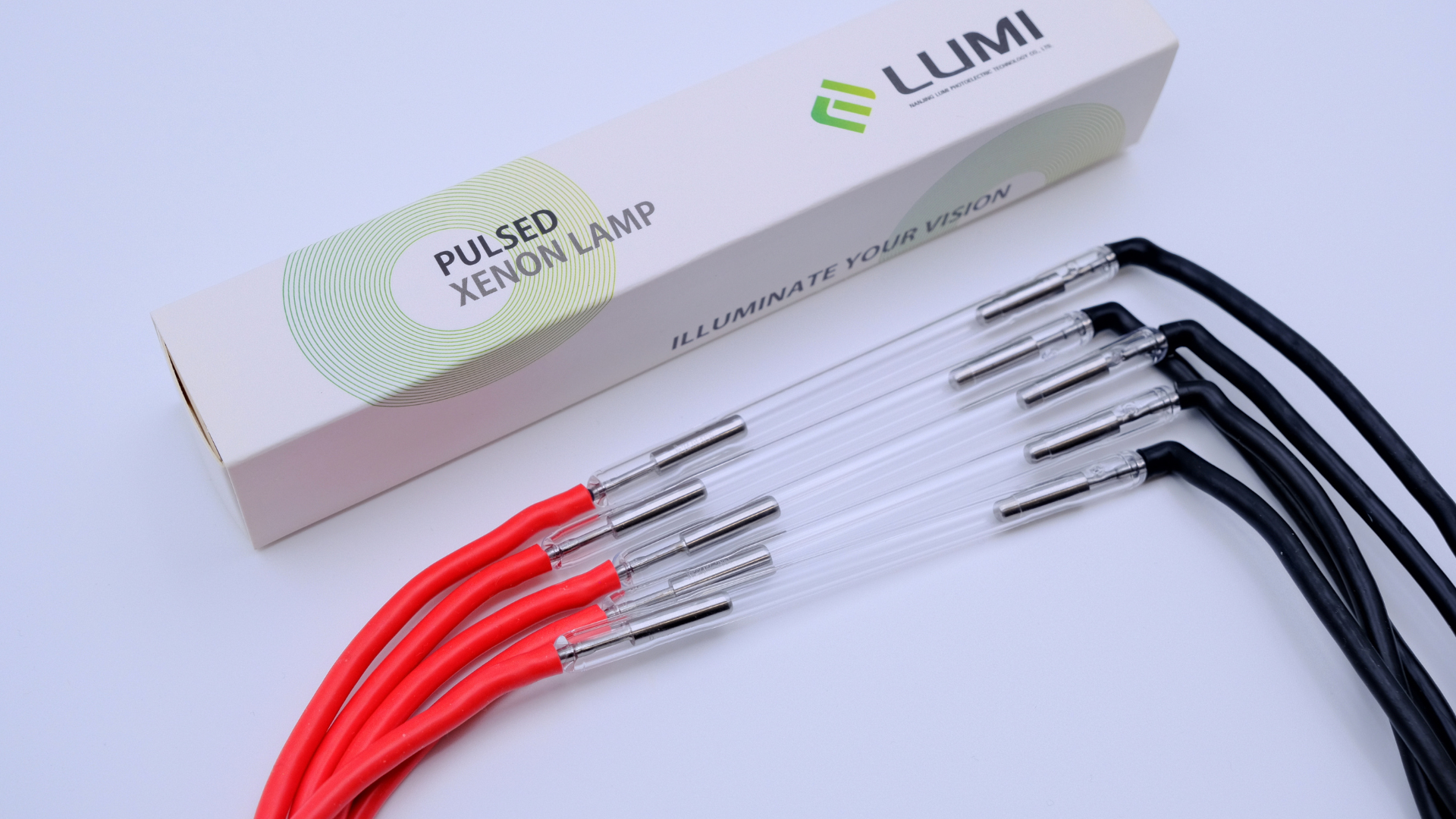
When Energy Instability Is Not Only an IPL Lamp Problem
A failing IPL lamp is common, but energy instability is not always caused by the lamp alone. A professional diagnosis should also check other components.
The capacitor bank affects how much electrical energy is delivered to the lamp. If capacitors age or drift from specification, the flash output may fluctuate. The power supply also matters because unstable charging voltage can cause inconsistent pulses.
The trigger circuit is another key area. Even a good xenon flash lamp may misfire if the trigger voltage or timing is not correct. Cable damage, connector wear, or poor contact inside the handpiece can also create intermittent faults.
Cooling is equally important. IPL equipment often uses water cooling, air cooling, or a combined cooling structure. If cooling flow is weak or blocked, the aesthetic device lamp may overheat, output may drop during operation, and lamp life may shorten.
Optical parts should not be overlooked. Dirty filters, reflectors, or sapphire windows can reduce delivered energy even when the IPL xenon flash lamp itself is working normally.
How to Diagnose IPL Xenon Flash Lamp Issues Before Calling a Technician
Before replacing parts, users can perform a basic inspection to identify whether the IPL xenon flash lamp is likely related to the problem.
Start by reviewing the flash count and maintenance history. If the lamp is near or beyond its expected service life, output decay is more likely. Then inspect the lamp visually. Look for darkening, cracks, burned electrodes, loose wires, or damaged connectors.
Next, compare output behavior at the same machine settings. If flash intensity changes randomly, record when it happens: at startup, after warm-up, after several minutes of continuous use, or only at high energy settings. This information helps determine whether the issue is lamp aging, cooling weakness, or power instability.
Also check cooling performance. Confirm that water flows normally, fans operate correctly, and the handpiece does not become abnormally hot. A replacement beauty machine lamp should not be blamed before cooling and triggering are verified.
If the machine displays error codes, note the exact codes and operating conditions. These details help the repair team identify whether the fault relates to the IPL lamp, power supply, sensor, cooling system, or control board.
How to Choose a Reliable Replacement IPL Xenon Flash Lamp
Choosing the right IPL xenon flash lamp requires more than matching appearance. Lamps that look similar may have different arc length, tube diameter, electrode design, voltage requirements, energy ratings, cooling compatibility, and connector structures.
Buyers should confirm the following details before ordering:
-
Electrical parameters
Match voltage, pulse energy, trigger requirements, and power supply design.
-
Lamp geometry
Check arc length, tube size, shape, electrode position, and installation space.
-
Cooling compatibility
Make sure the xenon flash lamp works with the machine’s air, water, or contact cooling design.
-
Optical matching
Confirm compatibility with filters, reflectors, and the handpiece light path.
-
Supplier consistency
Choose a supplier that can provide stable quality, technical communication, and repeatable batch performance.
A reliable IPL lamp should support stable output over repeated flashes. For OEM and repair markets, consistency is often more valuable than simply choosing the lowest price.
Lumi Photoelectric IPL Xenon Flash Lamp Solutions
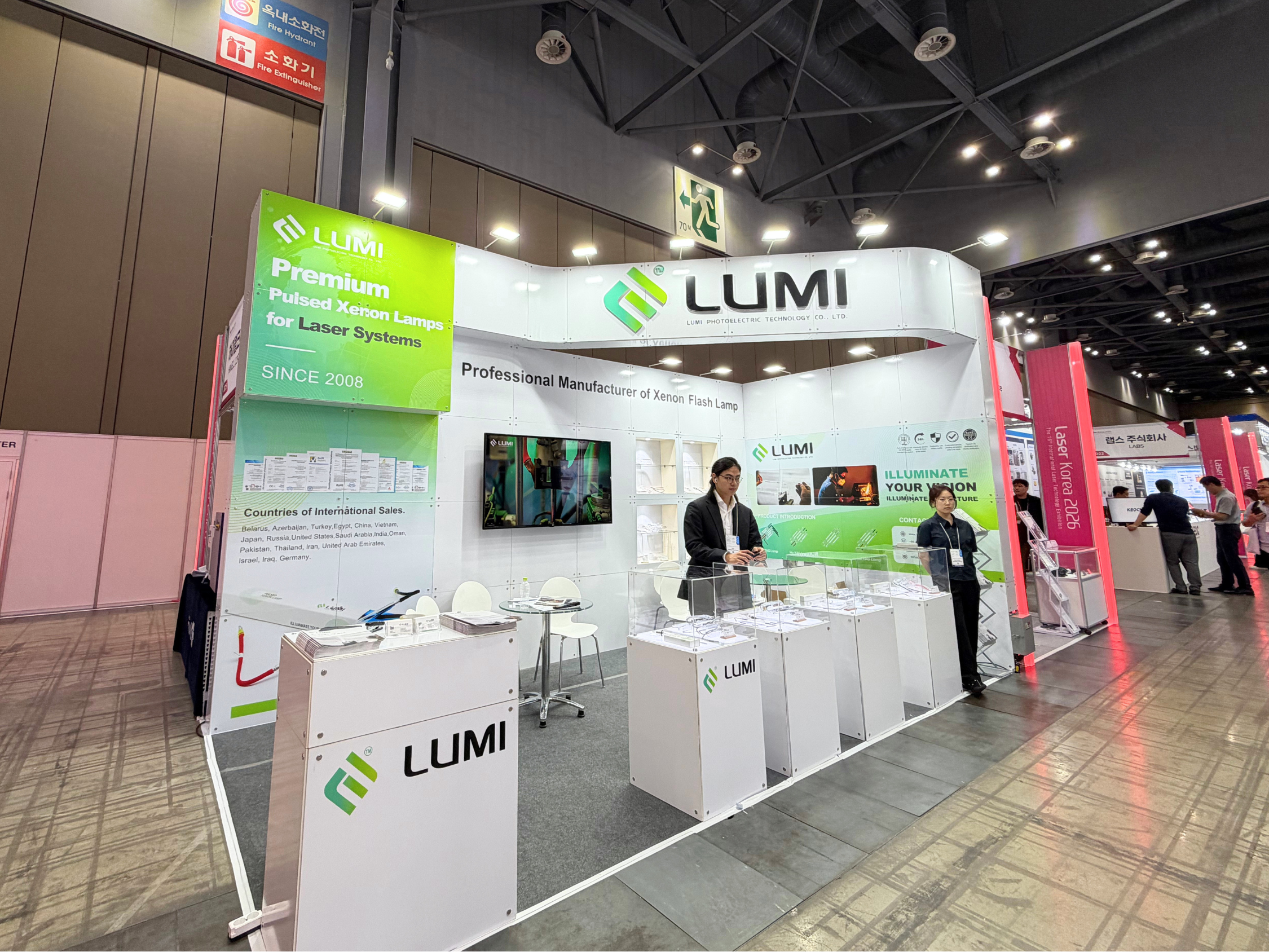
Lumi Photoelectric Technology Co., Ltd., located in Nanjing, China, provides special light source products for beauty equipment, industrial devices, scientific instruments, and OEM applications. For the beauty equipment market, Lumi Photoelectric supplies IPL xenon flash lamp solutions designed for stable pulsed output and practical device compatibility.
The company’s product range includes xenon flash lamp products, IPL lamps, laser xenon lamps, krypton flash lamps, germicidal lamps, solar simulator lamps, and other special light sources. For customers sourcing a replacement beauty machine lamp, Lumi Photoelectric can support specification confirmation, lamp structure discussion, and application matching.
For OEM customers, Lumi Photoelectric can also discuss customized aesthetic device lamp requirements, including shape, size, output characteristics, and installation needs. The company emphasizes quality inspection, product use guidance, maintenance knowledge, and after-sales support, helping customers reduce replacement risk and improve long-term equipment reliability.
Frequently Asked Questions About IPL Xenon Flash Lamp Problems
How do I know if my IPL xenon flash lamp is failing?
Common signs include weaker flashes, inconsistent energy, frequent misfires, visible tube darkening, electrode wear, overheating, or shorter-than-expected service life.
Can the wrong IPL lamp cause machine errors?
Yes. A mismatched IPL lamp may cause trigger failure, unstable output, overheating, or error codes if it does not match the machine’s electrical and cooling design.
Why does output become weaker over time?
Output decay can result from aging, electrode wear, tube darkening, gas condition changes, optical contamination, or cooling problems.
Should I replace the lamp or the whole machine?
If the main system is still working, replacing the IPL xenon flash lamp or related worn components is usually more cost-effective than buying a new machine.
Final Thoughts
Energy instability in beauty machines is often linked to lamp aging, electrode wear, tube darkening, cooling problems, or specification mismatch. A properly selected IPL xenon flash lamp helps maintain stable pulses, reduce service complaints, and extend equipment usability.
For manufacturers, repair teams, and distributors, choosing the right xenon flash lamp, IPL lamp, beauty machine lamp, or aesthetic device lamp is a practical way to restore performance without replacing the entire device. Lumi Photoelectric provides reliable IPL xenon flash lamp solutions for OEM, replacement, and customized beauty equipment needs.

 EN