When your beauty device suffers from unstable pulse output, misfires, or fluctuating energy, IPL xenon flash lamp replacement might seem like the obvious fix. But replacing the lamp without diagnosing the trigger circuit, capacitors, and cooling system can lead to repeat failures. This guide explains how to identify the true cause of pulse-to-pulse variation, properly match a new lamp to your system, and verify output stability after installation to prevent unnecessary downtime.
What Unstable Pulse Output Means in Beauty Machines
Unstable pulse output is entirely different from a gradual decline in energy. While an aging lamp usually shows a steady drop in overall brightness, instability means the equipment behaves unpredictably. You might experience pulse-to-pulse energy variation, where one flash is strong and the next is noticeably weaker.
Sometimes, the IPL xenon flash lamp will misfire completely, or there will be a noticeable delay between pulling the trigger and the actual light emission. You may also see random weak flashes during a high-frequency continuous mode. When these symptoms appear, an IPL xenon flash lamp replacement is often required, but it is critical to confirm that the lamp—and not the device's electrical system—is the actual source of the instability.
How an Aging IPL Xenon Flash Lamp Causes Pulse Instability
As an IPL xenon flash lamp ages, the internal electrodes wear down. Repeated high-energy discharges erode the electrode tips, increasing the distance the electrical arc must jump. This causes discharge variation, meaning the plasma arc does not form consistently every time the machine is triggered.
Furthermore, tube darkening from vaporized electrode material changes how light escapes the quartz envelope. An older IPL xenon flash lamp also requires a higher trigger voltage to ignite the gas. If the lamp's ignition threshold exceeds what the machine's trigger coil can comfortably provide, you will experience misfires. In these scenarios, scheduling an IPL xenon flash lamp replacement will immediately restore normal, stable operation.
Electrical Issues That Mimic the Need for IPL Xenon Flash Lamp Replacement
Not every case of unstable pulse output should be solved by instantly changing the lamp. The beauty machine's internal electronics play a massive role in pulse stability.
If the capacitor bank is degrading, it may not store the exact same amount of energy for every shot, leading to output fluctuations. If the charging voltage from the power supply is unstable, the replacement IPL flash lamp will still fire unevenly.
| Symptom |
Likely Lamp Issue |
Likely Electrical/System Issue |
| Complete misfire but clicking sound |
High trigger threshold (worn IPL xenon flash lamp) |
Weak trigger coil or bad high-voltage connection |
| Energy drops after 10 minutes of use |
Thermal stress on aging quartz |
Overheating capacitors or poor water cooling |
| Random weak pulses |
Severe electrode erosion |
Inconsistent capacitor charging |
| Delayed flash after trigger |
Degraded gas filling |
Control board timing error |
Before ordering a replacement IPL flash lamp, a technician must ensure the power supply, capacitors, and trigger wires are fully functional. Performing an IPL xenon flash lamp replacement on a machine with a failing trigger board will simply result in a brand-new lamp that still misfires.
Cooling Issues Affecting the IPL Xenon Flash Lamp
Cooling directly impacts discharge consistency. If a device has poor water flow or a clogged filter, the IPL xenon flash lamp will overheat rapidly. Thermal drift occurs when the extreme temperature changes the electrical resistance of the gas inside the tube.
When this happens, you will notice unstable pulse output that specifically worsens the longer the machine runs. A machine might work perfectly for the first five minutes of a treatment and then begin fluctuating. Ensure the cooling channels are clear before assuming an IPL xenon flash lamp replacement is the only solution.
Pre-Replacement Diagnosis for Unstable Pulse Output
To avoid wasting time and money, follow a diagnostic routine before removing any hardware.
- Check the flash count and visual condition: Look for heavy black deposits near the electrodes of the IPL xenon flash lamp.
- Test across different energy levels: See if the unstable pulse output happens only at low energy (often a trigger issue) or only at high energy (often a capacitor issue).
- Inspect the cooling system: Verify water flow, check for air bubbles in the handpiece, and ensure cooling fans are running at full speed.
- Listen to the trigger: A sharp, audible click with no light indicates a trigger pulse is reaching the lamp, but the IPL xenon flash lamp is failing to ignite.
- Review error codes: Note any charging or temperature warnings on the display.
If these steps point to the lamp, proceed with the IPL xenon flash lamp replacement.
Matching Your Replacement IPL Flash Lamp
If diagnosis confirms the lamp is faulty, you must source the correct replacement IPL flash lamp. A mismatched lamp will introduce its own instability.
You must match the arc length, tube diameter, overall length, and electrode structure. More importantly, the electrical parameters—such as operating voltage, pulse energy limits, and trigger requirements—must align with your machine's power supply. If you install a replacement IPL flash lamp designed for a higher trigger voltage than your machine outputs, you will immediately face misfires and unstable pulse output. Always work with a reliable supplier to confirm these specifications during your IPL xenon flash lamp replacement planning.
Post-Installation Tests for IPL Xenon Flash Lamp Replacement
Once the IPL xenon flash lamp replacement is complete, you must verify that the unstable pulse output has been resolved. Do not return the machine to service without comprehensive testing.
Start by firing the machine repeatedly at a low energy setting. Low energy is the hardest state for an IPL xenon flash lamp to trigger consistently. If it fires 50 times without a single misfire or delay, the trigger system and lamp are matched well.
Next, test the machine at high energy and high frequency to evaluate the capacitors and cooling. Monitor the handpiece temperature. If the replacement IPL flash lamp maintains consistent brightness and the machine does not throw error codes, the IPL xenon flash lamp replacement is successful and the pulse stability is fully restored.
Lumi Photoelectric IPL Xenon Flash Lamp Support
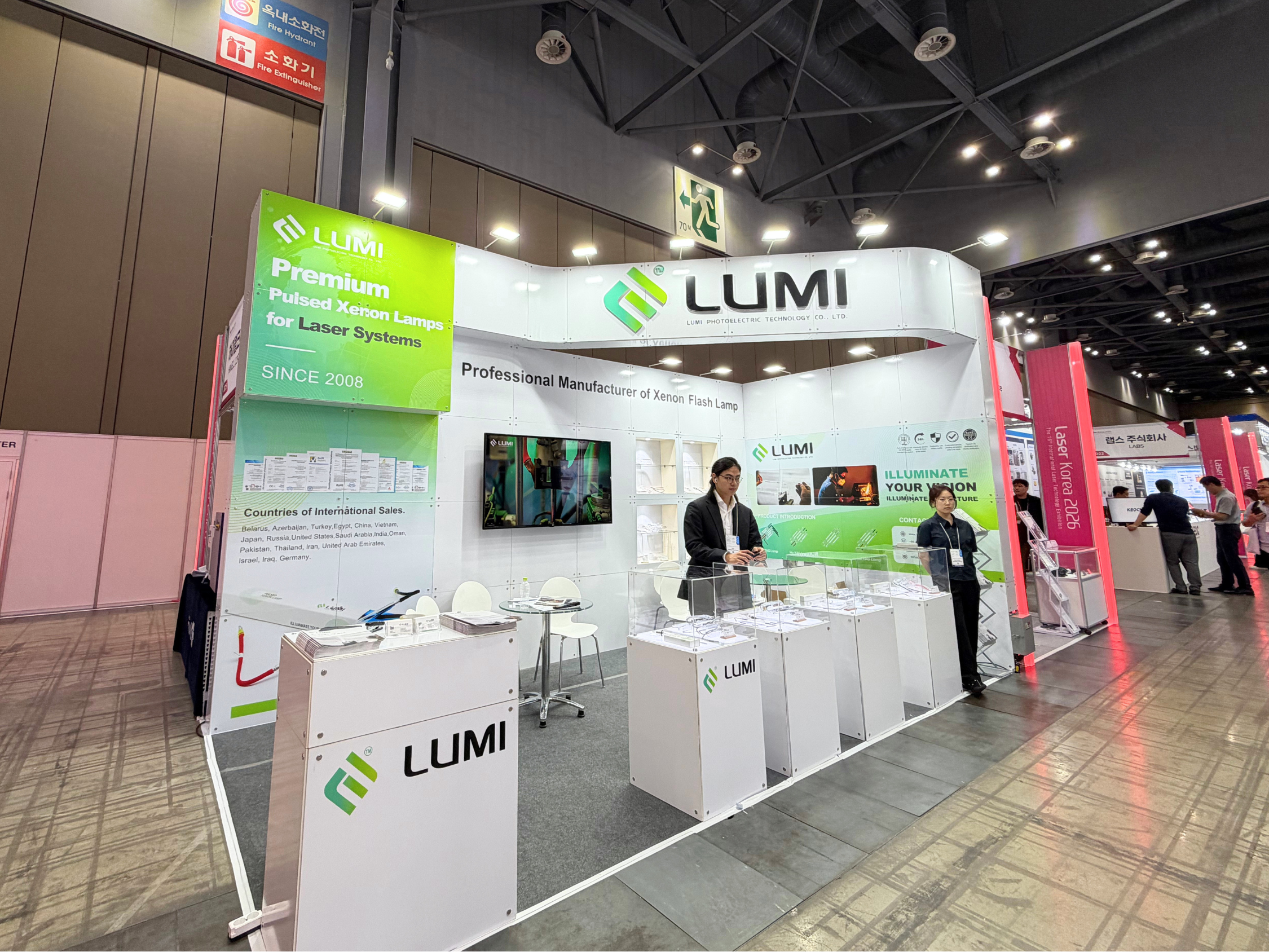
For equipment manufacturers, repair centers, and clinics dealing with unstable pulse output, having a reliable component partner is essential. Lumi Photoelectric Technology Co., Ltd., based in Nanjing, China, provides high-quality IPL xenon flash lamp products, laser xenon lamps, and customized light sources.
When you need a stable replacement IPL flash lamp, Lumi Photoelectric can assist in matching the exact dimensions, trigger voltages, and cooling requirements of your specific beauty machine. By ensuring strict batch consistency and rigorous quality inspection, they help technicians perform IPL xenon flash lamp replacement with confidence, knowing the new lamp will deliver reliable, pulse-to-pulse stability.
Conclusion
Resolving unstable pulse output requires careful diagnosis of the lamp, electrical triggers, and cooling circuits to ensure the root cause is correctly identified. By matching the right specifications and performing rigorous post-installation tests, your IPL xenon flash lamp replacement will successfully restore smooth, predictable device operation. If you are struggling with inconsistent equipment performance, contact a qualified technician to audit your system's electronics. For reliable component sourcing, reach out to your supplier to secure a perfectly matched lamp for your next maintenance cycle.

 EN