Purchasing an IPL xenon flash lamp replacement only after a clinical device stops firing cuts deep into a repair provider’s operational margins and damages client trust. For third-party maintenance organizations, field engineering networks, and aesthetic distributors, knowing precisely when to secure a replacement IPL flash lamp inventory separates profitable service operations from reactive, high-stress repair calls. This procurement guide outlines the core indicators that signal when service teams must buy critical IPL xenon flash lamp inventory, how to calculate reorder points, and how to maintain smooth beauty machine maintenance operations without overextending capital.
The High Cost of Emergency IPL Xenon Flash Lamp Replacement
Relying on spot purchasing when an emergency occurs creates severe operational vulnerabilities. When a medical spa or dermatology clinic experiences a sudden outage, their daily revenue vanishes. Service level agreements (SLAs) frequently require technicians to resolve equipment faults within twenty-four to forty-eight hours. Sourcing an emergency IPL xenon flash lamp replacement under such tight timeframes exposes the repair team to excessive international express freight fees, expedited processing charges, and the risk of procuring substandard parts from unverified secondary vendors.
Reactive procurement also creates severe scheduling inefficiencies for field technicians. If a repair specialist arrives on-site only to find that an in-stock replacement IPL flash lamp has the incorrect arc length, incompatible trigger leads, or poor quartz envelope clarity, the call is wasted. Multiple site visits multiply labor expenses while the client's clinic remains non-operational. Treating the purchase of every IPL xenon flash lamp replacement component as a planned, systematic event eliminates emergency rush charges and preserves the service team's profitability.
Critical Triggers: When Service Teams Must Buy Replacement Parts
Professional service providers do not guess when to purchase components; they track verifiable operational metrics across their installed equipment fleet. Procurement should be initiated when specific operational, calendar, or inventory thresholds are crossed.
1. Fleet Flash Counts Reach the 70% to 80% Threshold
Waiting for a lamp to reach total end-of-life discharge failure causes sudden client downtime. By auditing machine logs during routine checkups, teams can track the cumulative shots on each IPL xenon flash lamp. When lamps cross 70% to 80% of their rated operational lifespan, purchasing the corresponding IPL xenon flash lamp replacement units becomes an immediate priority. This timing provides ample runway for manufacturing, testing, and shipping before the operating lamp suffers catastrophic electrode erosion, wall darkening, or unstable ignition.
2. Ahead of Seasonal Clinical Treatment Surges
Aesthetic clinics experience massive surges in booking volume during specific seasons, particularly throughout autumn and the weeks leading into the year-end holidays. Increased operational frequency accelerates lamp degradation. Savvy maintenance planners buy their IPL xenon flash lamp replacement inventory well in advance of these high-volume periods. Stocking up early ensures that unexpected failures during a clinic's busiest operational weeks can be resolved immediately with a validated replacement IPL flash lamp.
3. Fluctuations in Supplier Lead Times and Bulk Tier Opportunities
Supply chains experience periodic bottlenecks due to raw material availability, such as optical-grade doped quartz tubing or specialized tungsten electrodes. When an IPL lamp supplier announces extended manufacturing schedules or upcoming factory maintenance closures, purchasing managers should secure inventory immediately. Furthermore, purchasing IPL xenon flash lamp units in bulk quantities unlocks substantial tiered volume discounts, instantly widening the profit margin on every preventative maintenance agreement.
4. Safety Stock Falls Below the Defined Reorder Buffer
Every maintenance team requires a baseline buffer of fast-moving components. The moment an internal audit reveals that reserve units for popular aesthetic platforms have dropped below the safety stock threshold, a restocking order must be triggered. Operating without a buffer invites disaster if multiple machines experience failures simultaneously.
Calculating the Service Team Reorder Formula
To take the guesswork out of procurement, service managers should apply standard inventory engineering models to their spare parts purchasing cycles. A standard Reorder Point (ROP) calculation ensures you order an IPL xenon flash lamp replacement batch at the exact right moment:
Consider a regional service team supporting 60 busy multi-platform IPL devices. If historical records show that the fleet consumes an average of 0.5 lamps per day (one IPL xenon flash lamp replacement job every two days across the entire fleet), the manufacturer's complete turnaround and transit lead time is 20 days, and the team maintains a safety cushion of 10 lamps, the calculation is straightforward:
ROP=(0.5×20)+10=20 units
The moment total inventory across all warehouse shelves and service vans drops to 20 units, the team immediately places a repeat order for replacement IPL flash lamp parts. This quantitative approach prevents both part stockouts and excessive capital lockup.
Lead Time Breakdown: Why Procrastination Threatens Field Operations
Understanding what happens between placing an order and receiving components clarifies why late purchasing disrupts beauty machine maintenance schedules. Sourcing specialized precision light sources is not equivalent to buying consumer off-the-shelf electronics.
[Order Placed]
       │

       ▼

[1. Precision Manufacturing] ──────► Quartz cutting, electrode sealing, gas filling
       │

       ▼

[2. Quality Testing]         ──────► Flash ignition testing, seal integrity verification
       │

       ▼

[3. Logistics & Transit]     ──────► Export processing, air freight, customs clearance
       │

       ▼

[4. Final Intake & Dispatch] ──────► Inventory check-in, field van deployment
Rushing this chronological pipeline invites operational hazards. Bypassing manufacturer testing to save two days often results in receiving units that exhibit high trigger thresholds or poor pulse consistency. A mature service team factors this entire timeline into their procurement strategy to ensure that every IPL xenon flash lamp replacement unit on their shelf is completely vetted and operational.
Inventory Strategies: Just-in-Time vs. Safety Buffer Stock
Service organizations must balance the financial cost of holding inventory against the operational hazard of equipment downtime. The table below illustrates the critical differences between procurement approaches:
| Operational Metric |
Just-in-Time (JIT) Ordering |
Minimum Buffer Stock Model |
Strategic Bulk Procurement |
| Capital Allocation |
Extremely Low |
Moderate, Controlled |
Higher Initial Investment |
| Downtime Protection |
Poor; Relies on Fast Shipping |
High; Immediate Local Dispatch |
Complete; Extended Coverage |
| Unit Purchase Cost |
Premium (Small, Frequent Orders) |
Standard Manufacturer Pricing |
Maximum Tiered Discount |
| Shipping Expenses |
High Due to Rush Air Freight |
Predictable Standard Freight |
Optimized Consolidated Freight |
| Best Suited For |
Rare, Legacy, or Obsolete Units |
High-Rotation Standard Platforms |
Multi-Region Service Franchises |
For mainstream machines that generate consistent service contracts, operating under a minimum buffer stock model is the industry benchmark. This posture ensures that when a technician is dispatched for an emergency IPL xenon flash lamp replacement, the component is already sitting in their vehicle, completely ready for installation.
Selecting a Long-Term Partner for Predictable Replacements
Predictable procurement requires an equally dependable manufacturing partner. When service teams look for a long-term IPL lamp supplier, technical consistency is paramount. A replacement IPL flash lamp must match strict physical dimensions, envelope materials, trigger configurations, and cooling flow dynamics. Variations in electrical arc length or electrode metallurgy between manufacturing runs can destabilize high-end aesthetic power supplies, creating secondary electronic failures.
Field maintenance teams should partner with manufacturers that supply comprehensive engineering schematics, maintain rigorous batch-to-batch quality auditing, and accommodate customized lead and terminal requirements. Working directly with an experienced source eliminates the compatibility roulette often associated with anonymous internet brokers.
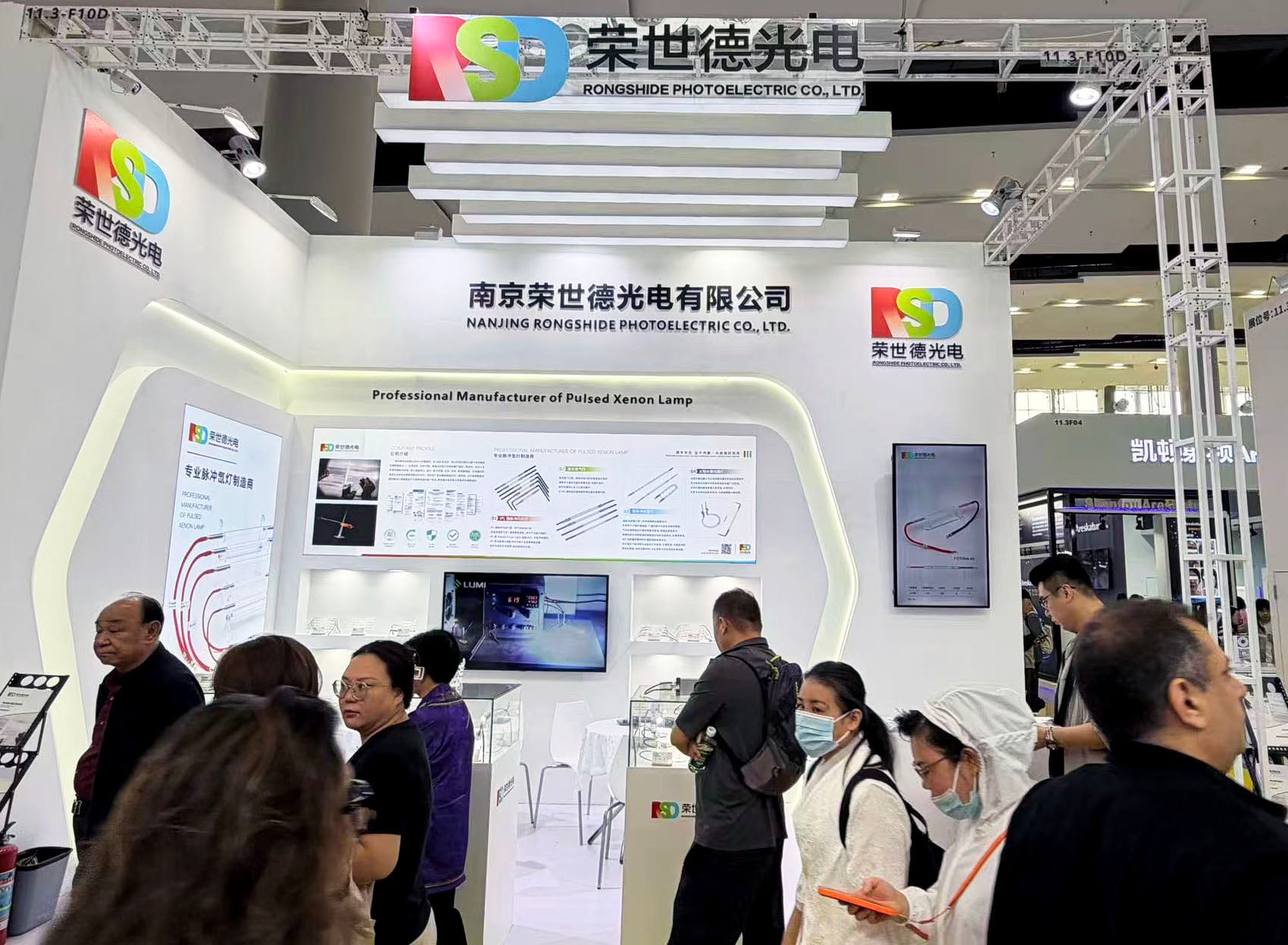
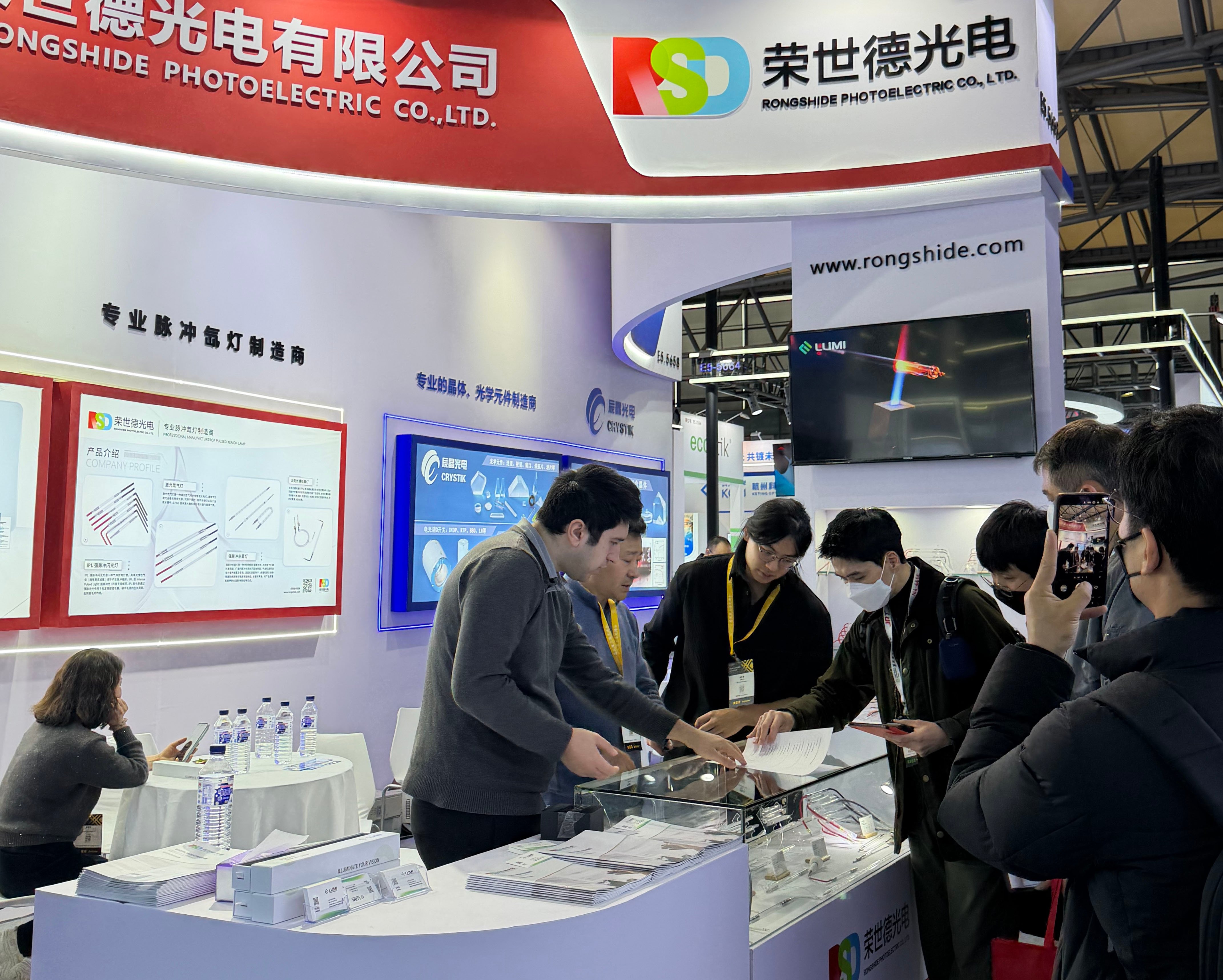
Lumi Photoelectric Technology Co., Ltd., based in Nanjing, China, is an established designer and manufacturer of custom pulsed light sources. The company produces specialized IPL xenon flash lamp components, laser flashlamps, krypton lamps, and customized light sources engineered specifically for the aesthetic, medical, and industrial sectors. For service teams requiring an exceptionally reliable IPL xenon flash lamp replacement pipeline, Lumi Photoelectric provides verified batch-to-batch electrical parameters, durable quartz materials, and responsive engineering support. Their manufacturing capabilities ensure field service providers maintain the exact parts inventory required to keep clinic equipment operational worldwide.
Frequently Asked Questions
How many spare parts should a service team stock per 10 active machines?
A healthy rule of thumb for standard beauty machine maintenance fleets is two spare units for every ten active devices under service contract, adjusted upward if client machines operate in exceptionally high-volume environments.
What is the typical shelf life of an uninstalled component?
When stored in a clean, temperature-controlled, vibration-free environment away from direct UV exposure, a high-grade IPL xenon flash lamp can be safely stored for years without electrical degradation or gas leakage.
What causes a replacement unit to fail prematurely after installation?
Premature failure during an IPL xenon flash lamp replacement cycle typically stems from insufficient liquid cooling flow, contamination on the exterior quartz envelope, mismatched pulse capacitor discharge levels, or weak trigger transformer voltage.
Conclusion
Systematic inventory planning prevents equipment outages, protects business margins, and ensures smooth beauty machine maintenance operations. Service organizations must abandon reactive purchasing behaviors and adopt structured reorder points to secure their IPL xenon flash lamp replacement inventory well before field failures happen.
If your organization is looking to streamline maintenance operations, reduce supply chain lead times, and secure dependable wholesale components, connect with a dedicated IPL lamp supplier today. Partnering with Lumi Photoelectric gives your service team direct access to precision-engineered light sources, consistent batch reliability, and dedicated technical support. Audit your current fleet usage, forecast your seasonal service volumes, and schedule your next IPL xenon flash lamp replacement order to keep your service network operating at peak efficiency.

 EN